


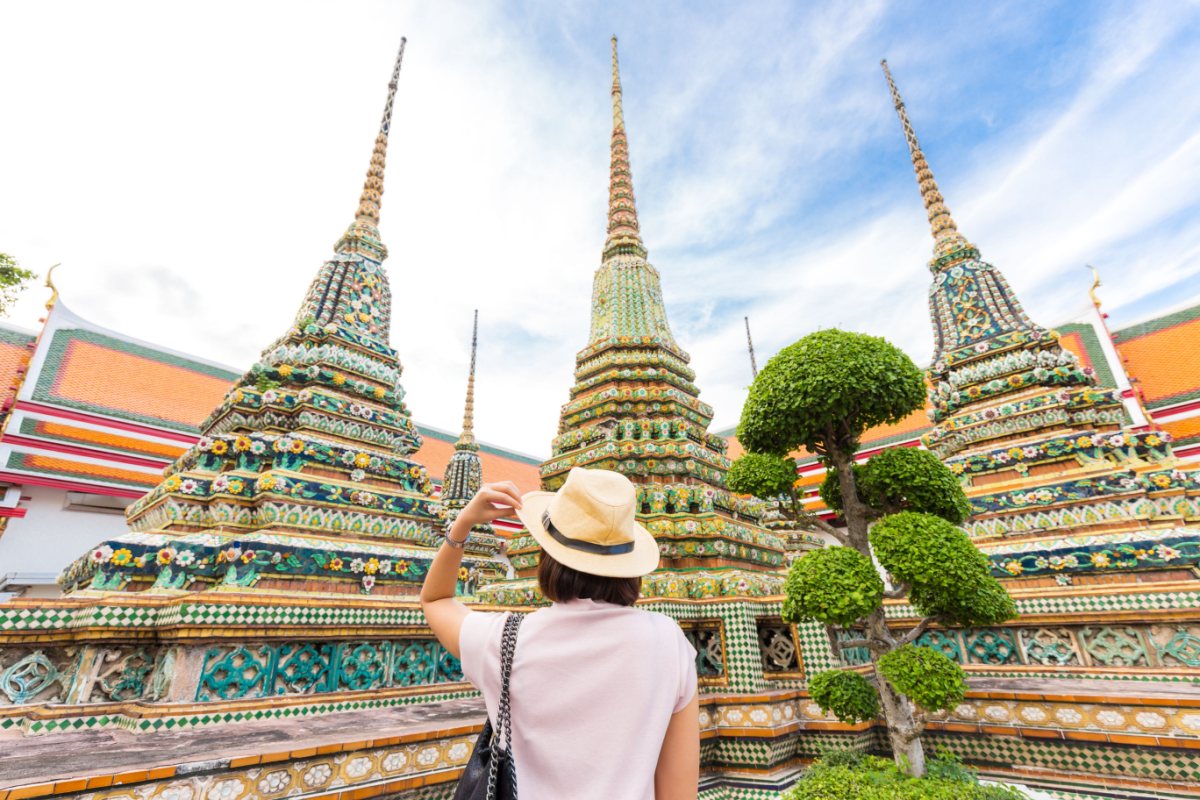
Tourism authorities say most destinations remain open
As fighting intensifies along the Thailand–Cambodia border, both governments insist that tourism continues largely as normal away from conflict zones. Thailand’s Tourism Authority (TAT) said nationwide travel remains unaffected, particularly in major destinations such as Bangkok, Chiang Mai and Phuket.
However, increased security measures are in place in seven eastern and northeastern provinces. Martial law has been imposed in Chanthaburi, Sa Kaeo and Trat, and travelers may encounter suspended train services, adjusted bus routes and checkpoint closures near the border.
Official advice urges caution near border areas
TAT advised visitors to avoid restricted border zones and closed checkpoints. The U.S. State Department currently lists Thailand as a Level 2: Exercise Increased Caution destination, but has issued a Level 4: Do Not Travel warning for areas along the Thai–Cambodian border. Cambodia carries the same advisory for its border regions.
The warning cites rocket and artillery fire between the two countries, civilian casualties and large-scale evacuations. Americans are advised not to travel within 50 kilometers of the border, with the U.S. noting limited ability to provide consular assistance in those areas.
Wider security context in Thailand
The State Department advisory also reiterates concerns about ongoing insurgent activity in Thailand’s southernmost provinces of Yala, Pattani and Narathiwat, where periodic violence has occurred for years. Seventeen districts remain under a declared state of emergency, creating a collateral risk for travelers.
Events prompting renewed concern
While Cambodia has maintained that travel is safe beyond border zones, reports have unsettled some visitors. On December 15, France 24 reported that a Thai fighter jet bombed a civilian camp roughly two hours from Angkor Wat, the UNESCO World Heritage Site. Although the strike occurred more than 70 kilometers from the border, it has caused some travelers to reconsider plans to the region.
Roots of the conflict
According to the Associated Press, Thailand and Cambodia have long disputed their shared border, including areas containing historic temples. Tensions escalated on December 7 after a skirmish left two Thai soldiers wounded. Since then, violence has continued.
The first civilian casualty occurred over the weekend after Cambodian forces launched a rocket into Thailand. Authorities have confirmed more than two dozen deaths on both sides, and nearly 800,000 people have been displaced, according to France 24.
Ceasefire collapse and outlook
A ceasefire brokered in July by the United States and Malaysia has effectively collapsed. Cambodia says it is acting in self-defense, while Thailand’s prime minister has not committed to renewing the truce. As diplomatic efforts stall, travelers are being urged to closely monitor official advisories and avoid affected regions.
