


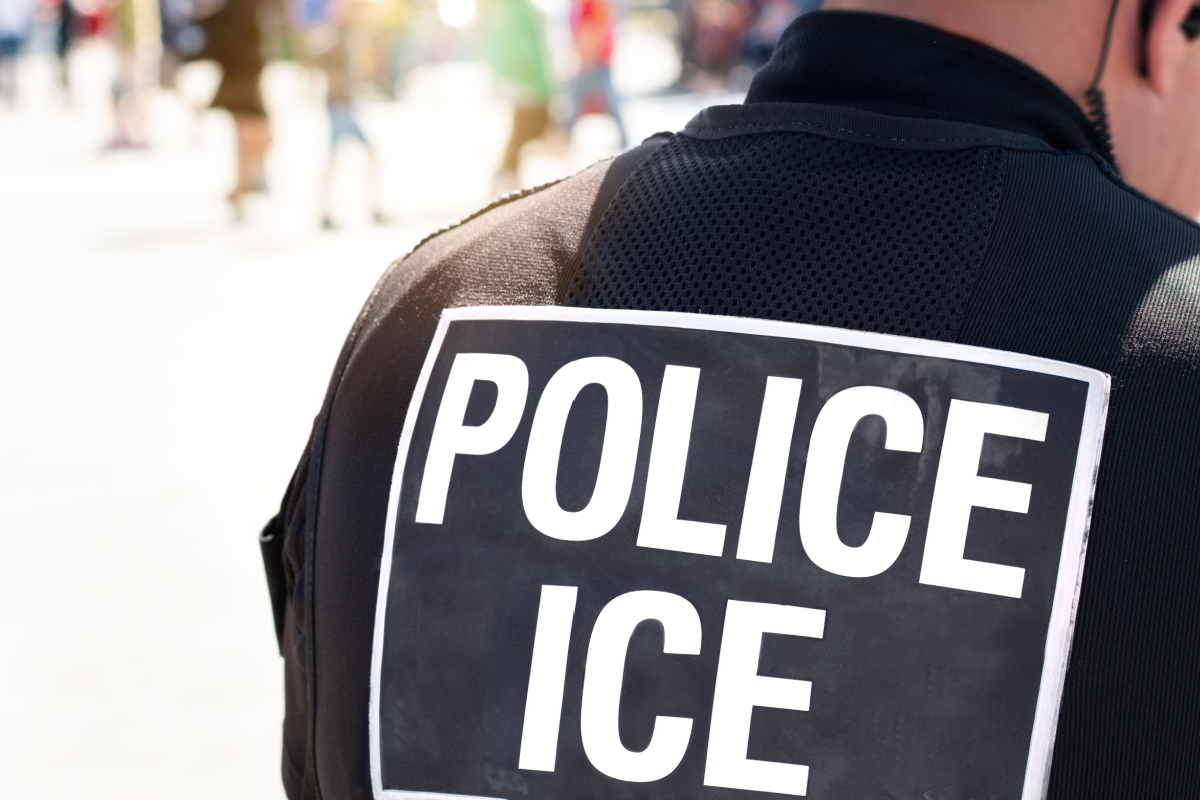
A shooting involving a U.S. Immigration and Customs Enforcement officer and a Venezuelan migrant in north Minneapolis has intensified tensions in the Twin Cities, with sharply different accounts emerging from witnesses and federal authorities. The incident comes amid heightened protests and increased federal enforcement activity in the region.
What Happened Wednesday Night
The shooting occurred Wednesday night when a Venezuelan migrant was shot in the leg by an ICE officer during an attempted arrest. According to the Department of Homeland Security, the individual fled from federal officers, crashed into a parked vehicle, and resisted arrest. DHS stated that two additional men then emerged from a nearby apartment and allegedly assaulted an officer with household tools.
Federal officials say the officer, fearing for his safety, fired a single defensive shot that struck the migrant in the leg. Both the officer and the injured man were hospitalized following the incident.
Witness Video and Family Claims
Cell phone footage shared on social media by a Minnesota state senator shows moments after the shooting, including a woman calling 911 and pleading for help. The caller claimed her husband was chased by ICE agents and shot in front of his family as he reached his home.
These claims differ from the DHS account, underscoring uncertainty about the sequence of events and raising calls from community members for transparency and investigation.
Rising Tensions and Protests
The incident marks the second shooting involving an ICE officer in Minneapolis within a week, following the fatal shooting of a local resident earlier this month. Both cases have become flashpoints for protests against federal immigration enforcement.
Demonstrations intensified after Wednesday’s shooting, with clashes reported between protesters and federal agents. Authorities confirmed the use of chemical agents during at least one protest and reported vandalism targeting a federal official’s vehicle.
Federal Response and Political Fallout
The FBI announced a reward for information related to stolen government property taken during the unrest. One suspect was later arrested, according to federal officials, though details remain limited. President Donald Trump warned that he may invoke the Insurrection Act if violence continues, while Minnesota Governor Tim Walz urged de-escalation and peaceful protest.
Conclusion
As investigations continue, the conflicting narratives surrounding the Minneapolis shooting highlight the deep divisions and volatility surrounding immigration enforcement. With tensions already high, the incident adds urgency to calls for accountability, clarity, and restraint from all sides.
