


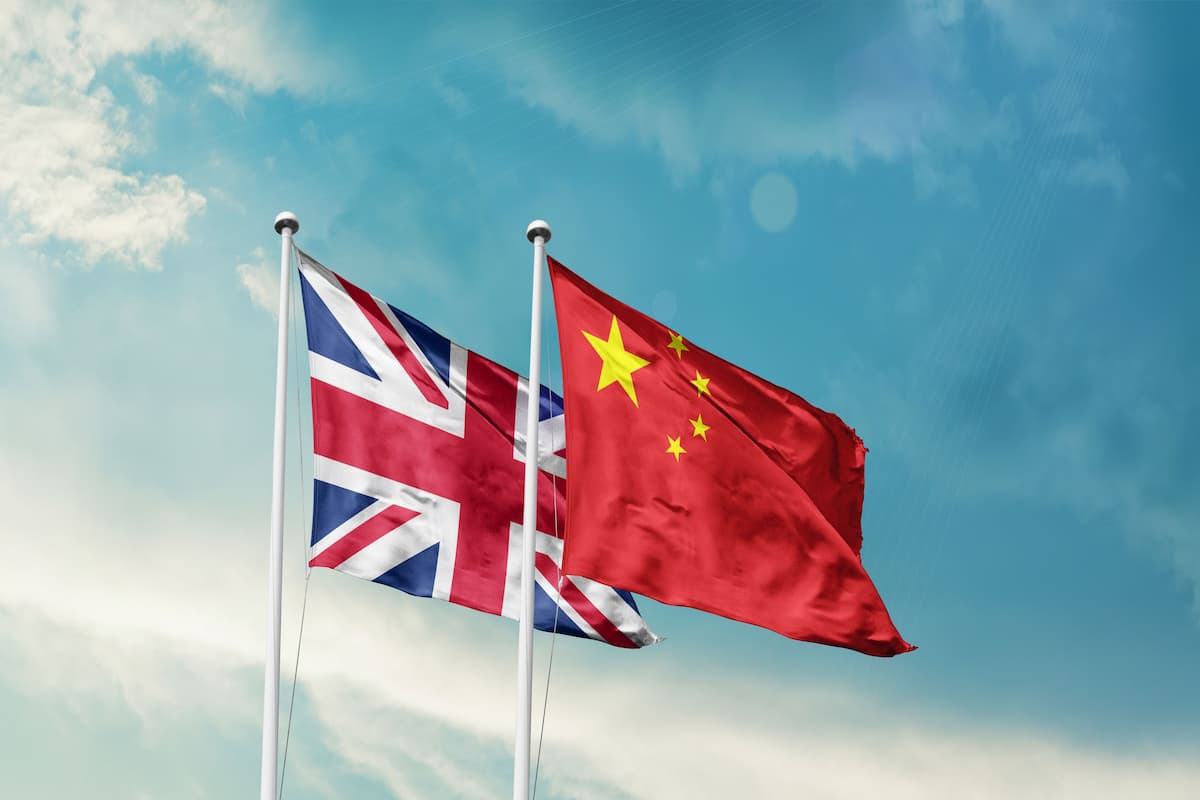
Starmer visit delivers major travel and trade changes
China has agreed to allow British citizens to travel to the country for up to 30 days without a visa, following talks between Prime Minister Sir Keir Starmer and President Xi Jinping in Beijing. The announcement came during Starmer’s visit, making him the first British prime minister to travel to China in eight years.
Downing Street said there is no confirmed start date yet, but the government hopes the visa-free arrangement will come into force as soon as possible. Around 620,000 UK residents travelled to China in 2024, meaning hundreds of thousands of people could benefit from the change.
UK aligned with dozens of other countries
The move brings the UK into line with around 50 other countries that already benefit from visa-free short stays in China, including France, Germany, Italy, Australia, and Japan. The government says the change will make it easier for both leisure travelers and business visitors to access the Chinese market.
Sir Keir said businesses had been calling for simpler access to China and argued the decision would help UK firms expand internationally while supporting growth and jobs at home.
Trade concessions and investment deals announced
Alongside the visa announcement, the UK and China agreed to cut import taxes on British whisky from 10 percent to 5 percent. Downing Street described the measure as part of a broader effort to strengthen trade ties and support economic growth.
The two countries also agreed to explore negotiations on a services agreement. Such a deal would establish legally binding rules for UK companies operating in China and could include recognition of professional qualifications in sectors such as finance, healthcare, and legal services.
Pharmaceutical giant AstraZeneca also confirmed plans to invest $15 billion in China by 2030, including new manufacturing sites and workforce expansion.
Security, migration, and sensitive issues raised
Starmer said the talks also covered cooperation on illegal migration. Under a new agreement, UK and Chinese law enforcement agencies will work together to disrupt the supply of small boat engines and equipment used by criminal gangs involved in Channel crossings.
The prime minister said he raised contentious issues during the meeting, including the detention of pro-democracy campaigner Jimmy Lai and the treatment of the Uyghur minority in Xinjiang. He argued engagement allowed both countries to pursue economic opportunities while addressing disagreements directly.
Criticism from opposition parties
Conservative and Liberal Democrat figures criticised the visit, warning that closer ties with Beijing could pose risks to national security. Critics argued the government was conceding too much in exchange for limited economic benefits.
Downing Street rejected those claims, insisting the approach was pragmatic and aimed at protecting UK interests in a volatile global environment.
Diplomatic symbolism and next steps
During the visit, Starmer toured Beijing’s Forbidden City and exchanged gifts with Chinese leaders, highlighting efforts to reset relations after years of strain. The trip also included meetings with senior business and cultural figures from both countries.
The government says the agreements signed in Beijing represent the beginning of a more stable and structured relationship, with further negotiations expected in the coming months.
