


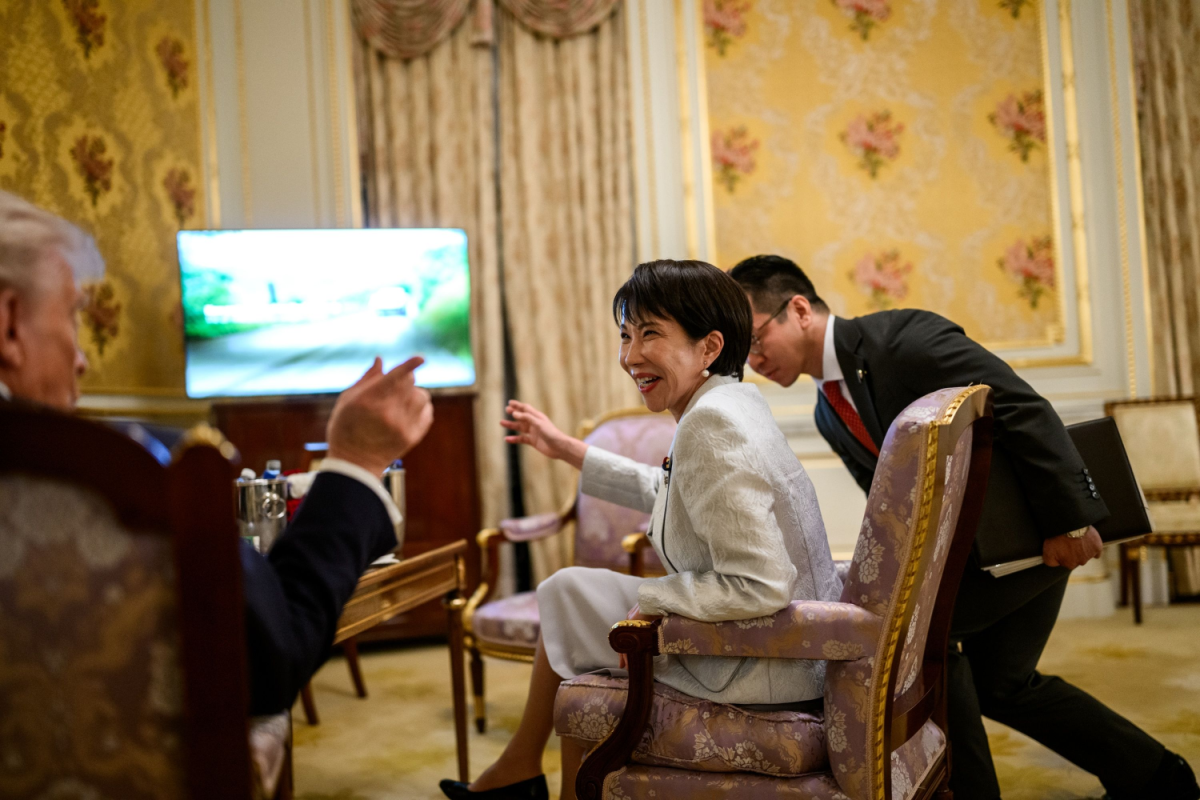
Japan’s snap election has delivered a historic result. Prime Minister Sanae Takaichi secured the strongest parliamentary majority seen in more than seven decades, transforming a high-risk political gamble into a defining moment for her leadership. The outcome reflects both a broader rightward shift in Japanese politics and Takaichi’s ability to reenergize voters, particularly younger generations.
A historic supermajority for the LDP
Takaichi’s Liberal Democratic Party won a two-thirds supermajority in the lower house of parliament, a feat unmatched since World War II. The victory comes at a critical time for the LDP, which in recent years had struggled with declining public trust, economic pressures, and competition from newer right-wing parties. The election result restores the party’s dominance and gives it significant legislative power.
A distinct brand of conservatism
Takaichi represents a form of conservatism shaped by Japan’s unique social and political context. She opposes same-sex marriage, supports patriotic education, and favors maintaining Japan’s single-surname system. She has also committed to pursuing revisions to Japan’s pacifist constitution, signaling a more assertive national stance, though significant procedural hurdles remain.
Economically, she supports active government spending and has already passed a record-breaking budget. At the same time, she has reaffirmed alliances with key partners such as the United States, the United Kingdom, Italy, and South Korea, positioning Japan as both nationalist and globally engaged.
Youth appeal and social media strategy
A defining factor in Takaichi’s rise has been her appeal to younger voters, a group traditionally disengaged from Japanese politics. Her energetic public persona, unconventional hobbies, and accessible communication style have set her apart from the country’s typically reserved political figures.
Her social media presence, often dubbed “Sana-mania,” has amplified this appeal. Short, shareable messages and viral videos of her interactions with global leaders have fueled enthusiasm nationwide. Merchandise bearing her image and slogans has become popular, particularly in her hometown, underscoring her status as a political phenomenon.
Geopolitical implications and challenges ahead
Takaichi’s victory has significant international implications, especially for relations with China. Her explicit statements on Taiwan marked a departure from Japan’s traditional ambiguity and triggered sharp responses from Beijing, including economic and diplomatic countermeasures.
Domestically, she now faces persistent challenges such as an aging population, inflation, and a weak yen. With a strengthened mandate and expanded legislative control, Takaichi has a clear runway to pursue her agenda, but her policy direction and its long-term consequences remain under close scrutiny.
Conclusion
Sanae Takaichi’s landslide victory signals a turning point in Japanese politics. Backed by unprecedented parliamentary power and strong public momentum, she has the opportunity to reshape Japan’s domestic and foreign policies. Whether this moment leads to lasting reform or heightened regional tensions will define her leadership in the years ahead.
