


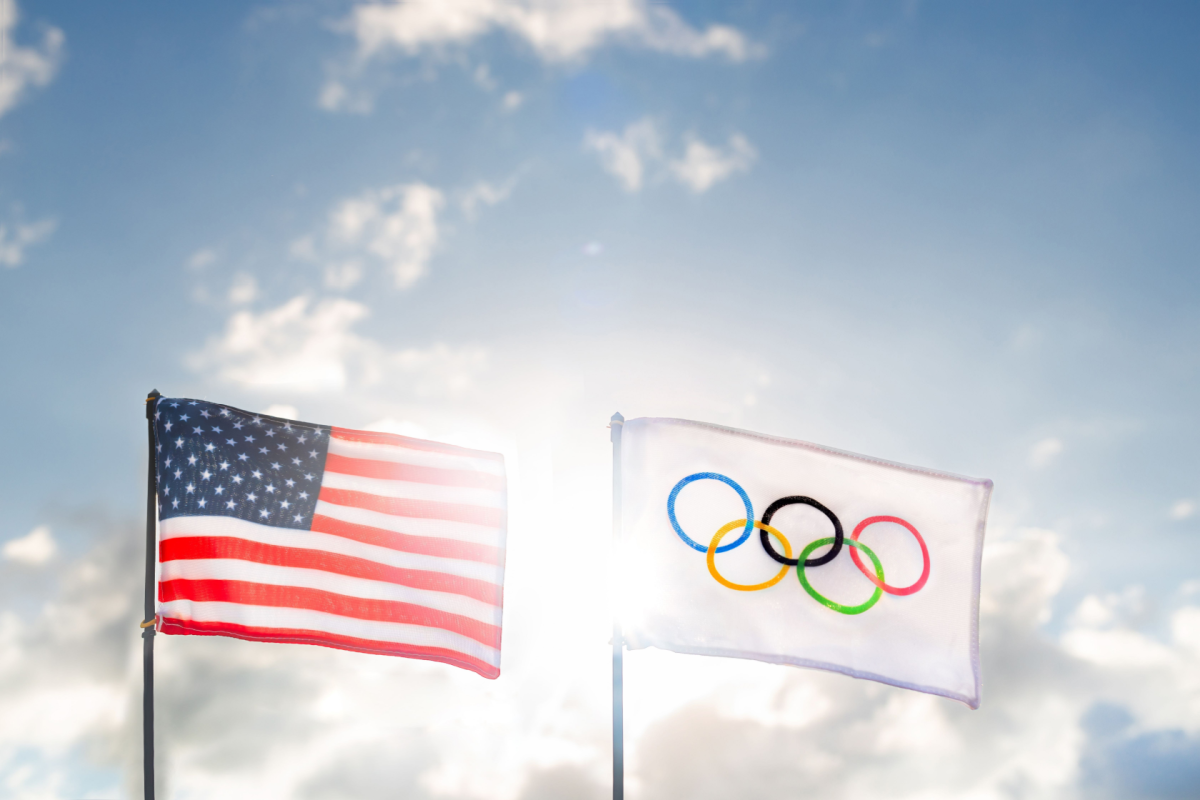
Olympic Tensions Spill Into U.S. Politics
Athletes Voice Unease at Winter Games
A growing number of American athletes competing at this month’s Winter Olympics have publicly expressed discomfort about representing the United States amid the current political climate under President Donald Trump. Their remarks have ignited backlash from the president and his supporters, turning the Games into the latest arena for domestic political debate.
Freestyle skier Hunter Hess said during a press conference that wearing the U.S. flag comes with “mixed emotions,” citing broader national issues he does not support. “Just because I’m wearing the flag doesn’t mean I represent everything that’s going on in the U.S.,” Hess said.
Hours later, Trump responded on Truth Social, calling Hess a “real loser” and saying it was “very hard to root for someone like this” during the Games.
Broader Athlete Reactions
Figure skater Amber Glenn also criticized administration policies affecting LGBTQ communities, saying she hoped to use her platform to encourage resilience. Her comments added to a growing conversation among athletes about whether sports and politics can or should remain separate.
Snowboarding champion Chloe Kim defended her fellow competitors, noting that political issues can feel personal, particularly for athletes from immigrant families. Kim emphasized unity while expressing pride in representing the country.
Political Leaders Weigh In
Vice President JD Vance, who faced boos from some spectators at the Milan opening ceremony, said athletes who step into political discussions should anticipate criticism. “You’re not there to pop off about politics,” he said, arguing that public commentary invites public reaction.
Several Democratic lawmakers countered that direct attacks on Olympic athletes cross a line. Senator Chris Coons of Delaware said criticizing one’s country can be a form of patriotism, particularly when leadership decisions conflict with personal values.
Republican Representative Jim Jordan rejected the idea that any athlete should feel conflicted about representing the United States. Calling it an honor to compete under the American flag, he questioned the logic of expressing dissatisfaction while serving on Team USA.
Sports and Politics Intersect
The exchange highlights a longstanding tension over the role of athletes as public figures. While the Olympics are often framed as a celebration of unity and national pride, they also provide a global stage where personal convictions can draw intense scrutiny.
As the Games continue, the debate underscores how even international sporting events are not insulated from domestic political divisions. Whether athletes should separate competition from commentary remains contested, but their voices — and the reactions to them — have ensured that politics remains part of the Olympic conversation.
