


Diplomatic Tensions After U.S. Statement
The French government has summoned U.S. Ambassador Charles Kushner for the second time in six months following comments from the Trump administration about the death of a young activist in Lyon.
Quentin Deranque, a 23-year-old far-right activist, was killed earlier this month during events surrounding a political conference. Authorities have not publicly clarified the precise sequence of events leading to the confrontation. However, leaders of the National Rally have described the incident as evidence of escalating violence from the political left.
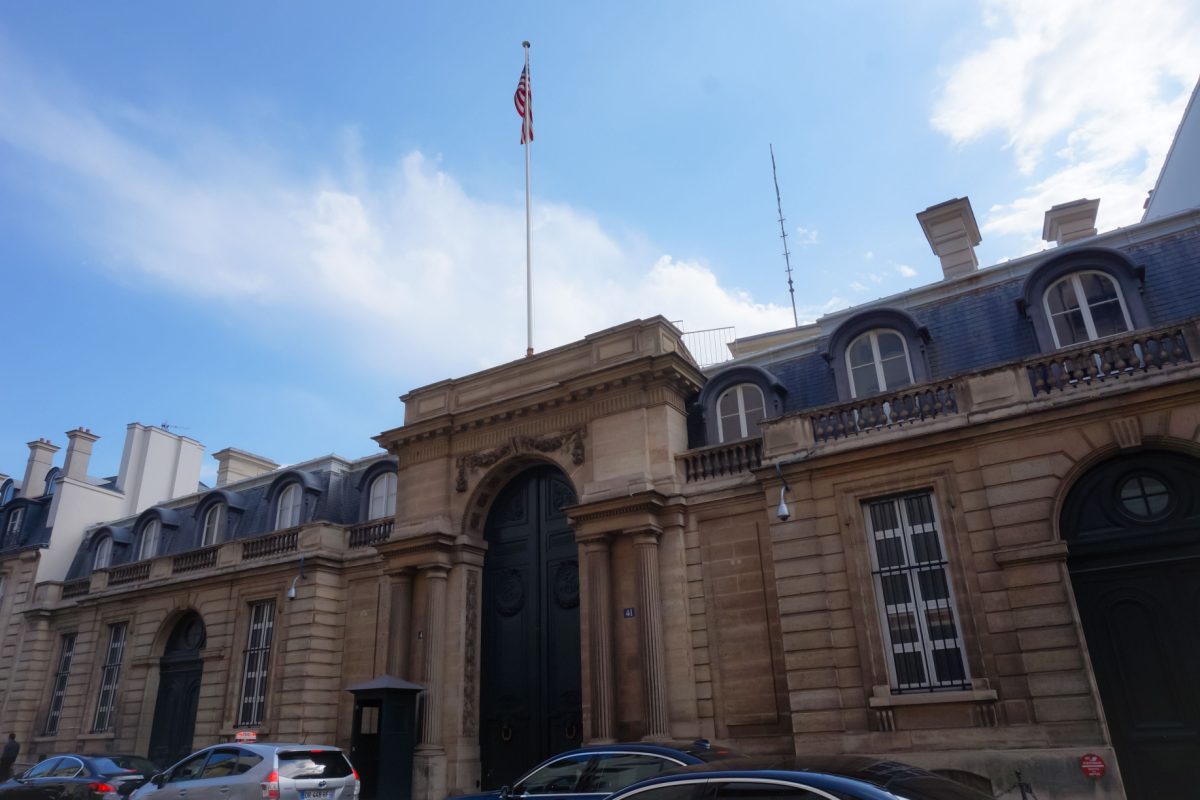
The U.S. State Department issued a social media statement asserting that “violent radical leftism is on the rise” and suggesting a link between such extremism and Deranque’s death. The message was reposted by the U.S. embassy in Paris.
French Officials Push Back
The statement drew a sharp response from French officials. Foreign Minister Jean-Noël Barrot said France rejects any attempt to politicize the tragedy. Speaking on France Inter radio, he stressed that the country would not accept external commentary on its handling of political violence.
Barrot also criticized recent U.S. sanctions targeting former European Commissioner Thierry Breton and French International Criminal Court judge Nicolas Guillou, describing them as unjustified.
Ambassador Kushner is scheduled to meet officials at the French Foreign Ministry on Monday evening. He was previously summoned in August after publishing an opinion article criticizing France’s response to antisemitism.
Broader Political Context
The diplomatic exchange comes at a sensitive moment in French politics, with local elections approaching in March. The National Rally, currently polling strongly, has framed Deranque’s death within a broader narrative of political polarization.
Kushner, appointed during the Trump administration, has engaged with a range of French political figures, including National Rally leaders Marine Le Pen and Jordan Bardella. He has also met with other prominent politicians, such as Edouard Philippe and Bruno Retailleau.
The incident highlights ongoing strains in transatlantic relations, particularly as domestic political debates in France intersect with commentary from U.S. officials.
