


Introduction
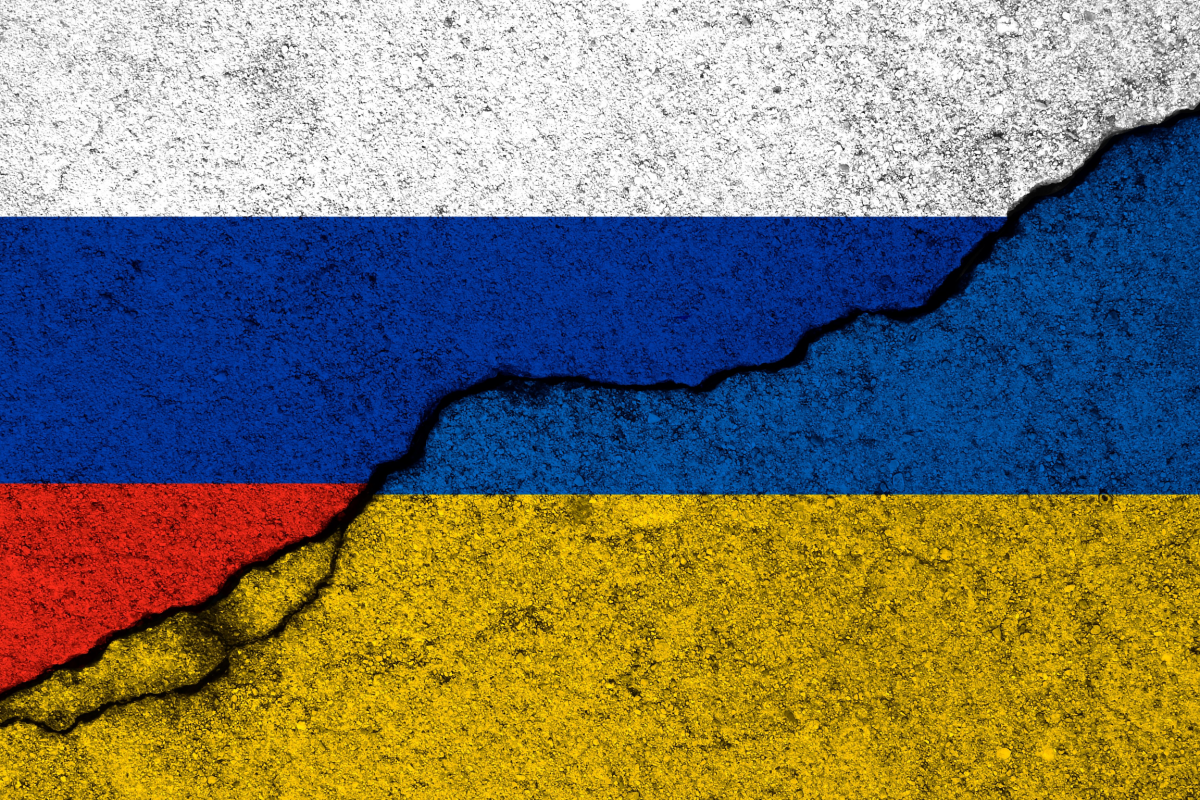
Four years into Russia’s full-scale invasion, Ukraine is confronting mounting pressure to accept territorial concessions as part of a negotiated settlement. A reported U.S. draft framework would treat Crimea, Donetsk, and Luhansk as de facto under Russian control and freeze parts of Kherson and Zaporizhzhia at current lines. Volodymyr Zelensky has rejected any arrangement that violates Ukraine’s territorial integrity, but worsening battlefield dynamics, manpower strain, and Russia’s larger industrial base are narrowing Kyiv’s options and intensifying the debate over what an end to fighting could realistically look like.
A Draft Deal Meets a Hard Battlefield
The central tension is straightforward: Ukraine’s stated objective remains the restoration of borders defined in 1991, including Crimea, while Russia aims to consolidate control over parts of eastern and southern Ukraine and to block Ukraine’s path toward NATO. Ukraine’s resistance has been determined, yet the military situation limits its ability to reverse territorial losses by force. Russia controls close to a fifth of Ukraine’s internationally recognized territory, and Ukraine has struggled to generate the manpower and equipment needed for a sustained offensive capable of dislodging entrenched Russian forces.
Even where Russian advances have been slow and costly, the direction of travel has favored Moscow. The war has evolved into a grinding contest in which incremental gains can still carry strategic weight, especially when one side can replenish losses more easily and maintain higher volumes of firepower over time.
Manpower, Morale, and Mobilization Constraints
Casualty and manpower dynamics are a critical factor. Although Ukraine’s losses may be lower in absolute terms, they consume a larger share of its available fighting-age population than Russia’s losses do. Ukraine’s population base is far smaller, and its pool of men in prime fighting age is limited relative to Russia’s. That means each month of attrition depletes Ukraine’s long-term capacity more severely, raising the political and social costs of continued mobilization.
Recruitment methods also differ. Russia has relied heavily on contract soldiers and volunteers, while Ukraine depends more on conscription. That gap has implications for morale and cohesion, particularly when recruitment shortfalls lead to harsher enforcement practices that can produce older, less fit, or less willing recruits and increase desertion risks.
Firepower and Industrial Advantage
Ukraine faces disadvantages across major weapons categories, including armored vehicles, artillery systems, rocket launchers, aircraft, and stockpiles. Although Western military assistance has helped Ukraine remain in the fight and modernize elements of its force, much of the equipment provided has come from older inventories and has not erased the broader imbalance in scale. Russia’s reserves, production capacity, and stored equipment give it greater tolerance for long campaigns and heavy matériel losses.
Economics reinforces this asymmetry. Russia’s economy is substantially larger, allowing higher total defense outlays even at a lower percentage of national income. Ukraine can dedicate a far larger share of its economy to defense, but it remains constrained by the absolute size of its economic base and by reliance on external financial and in-kind support.
Frontline Geometry and the Defense Dilemma
The line of contact is extensive, and Ukraine’s forces are stretched thin along hundreds of miles of front. Defensive warfare requires sufficient troop density, resilient logistics, and layered fortifications. Ukraine has had limited ability to build defenses at the scale and speed needed, in part because its strategy has prioritized liberation over static defense and because governance and corruption challenges can undermine large infrastructure efforts.
Russia, fielding a larger force in occupied areas, can concentrate units for local offensives while defending other sectors with fewer troops. This flexibility increases pressure on Ukraine to spread forces evenly, leaving fewer reserves to respond rapidly to breakthroughs or to exploit opportunities.
Drones, Adaptation, and Tactical Momentum
Drone warfare has reshaped the battlefield, reducing mobility and making massed formations more vulnerable. While Ukraine initially demonstrated strong innovation, Russia has increasingly scaled drone production and adapted tactics to target Ukrainian logistics, operators, and rear-area support. Improvements in reconnaissance and targeting have amplified Russia’s traditional strength in artillery and other indirect fires, enabling more effective interdiction and attrition.
At the tactical level, small-unit infiltration has also grown in importance. Dispersed assault groups can exploit gaps and reduce exposure to drone and artillery targeting compared with larger mechanized pushes. Ukraine has sought to mirror some of these methods, but smaller manpower margins and reliance on visible armored transport can limit the approach.
Diplomacy, Principles, and European Concerns
European leaders have repeatedly argued that borders should not be changed by force and warned that rewarding aggression could set a dangerous precedent. Critics of territorial concessions fear that any settlement that legitimizes gains could encourage future coercion or renewed attacks. Others stress the immediate reality that Ukraine must prioritize survivability, security guarantees, and long-term rebuilding capacity, even if that requires accepting an outcome far short of maximal aims.
A key strategic question is what additional year of war would achieve relative to the human and economic costs. Some Ukrainian officials acknowledge that strikes against Russian assets can impose pain without necessarily forcing a decisive outcome. That recognition has fueled discussion of a compromise that preserves Ukrainian statehood and enables reforms, rearmament, and more robust defensive preparation.
Conclusion
Ukraine’s negotiating challenge is shaped by a widening imbalance in manpower, matériel, and economic depth, alongside a long frontline that strains defensive capacity. A settlement involving territorial concessions would be politically painful and legally contentious, but continued war under current trends risks deeper depletion and further loss of leverage. The central implication is that any path to a durable peace will hinge on credible security arrangements, domestic reforms, and a defense posture designed for the realities of modern, drone-dominated warfare.
