


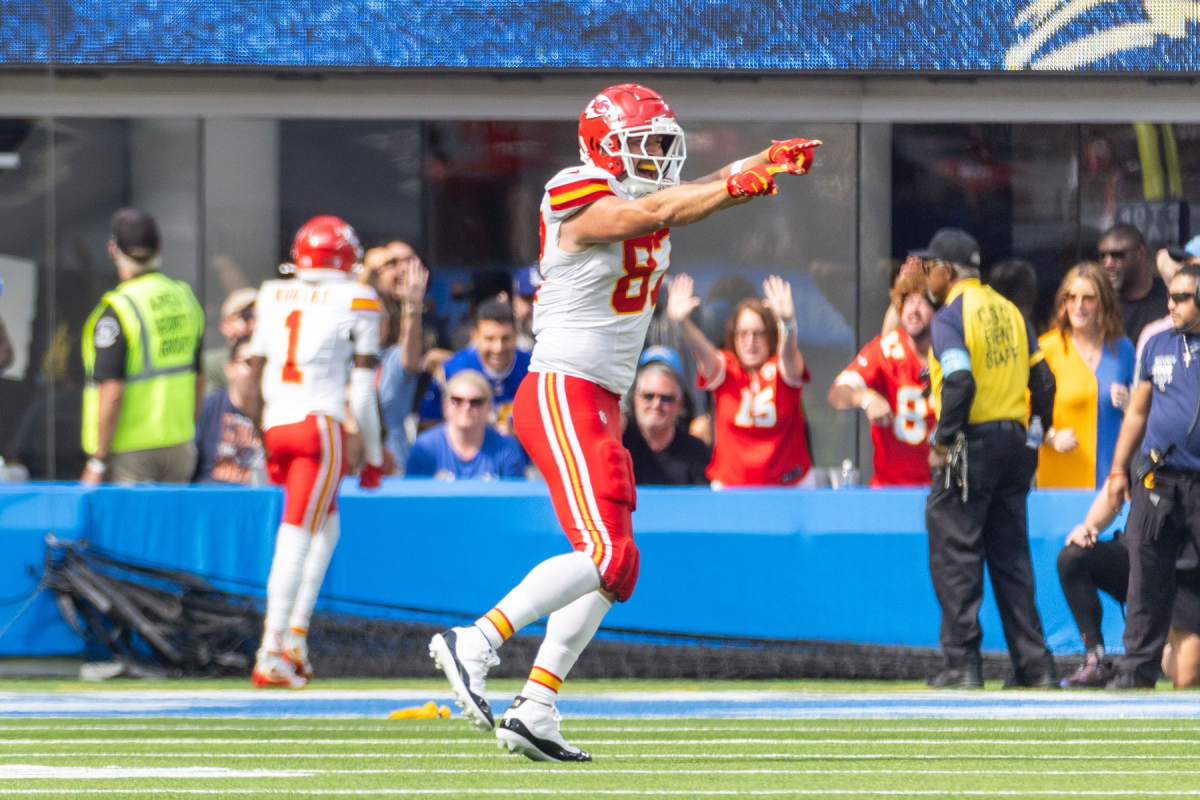
The idea of Travis Kelce wearing another uniform in 2026 would have sounded unrealistic for most of the last decade. He spent 13 seasons with the Kansas City Chiefs, and the normal assumption was a clean ending: either retirement, or another short deal in Kansas City. This offseason is different because Kelce is not under contract for 2026 and is lined up to become an unrestricted free agent.
That contract reality is now shaping the Chiefs’ approach. At the NFL combine, general manager Brett Veach said the team is taking a “different approach” and staying patient while Kelce weighs a return versus retirement. Veach also said the club has prepared for either outcome, while continuing dialogue involving the team, Kelce’s camp, and head coach Andy Reid.
Why The Kelce Timeline Matters More This Year
Kelce’s decision is not happening in a vacuum. It lands in the middle of a month where the Chiefs could see meaningful roster turnover and must make fast choices in a market that moves even faster once the negotiating window opens.
When a franchise icon is simultaneously weighing retirement and free agency, it complicates everything from draft priorities to how aggressive the team wants to be in early March. Kansas City can plan for a replacement, but committing to the wrong plan too soon can create waste, either in cap space or in opportunity.
Roster Churn Is Already Here
Signals of volatility are already visible across the league, with one headline example involving a former Chief. Cornerback Trent McDuffie reportedly became the highest-paid cornerback after a massive extension with the Los Angeles Rams. Deals of that size reshape the market at multiple positions, because every agent uses new benchmarks as leverage.
For Kansas City, the urgency is amplified by decisions on role players and depth pieces who can quietly swing outcomes. One local analysis pointed to wide receiver Tyquan Thornton as a case where a reduced role late in the season does not match the skill set the team still needs, especially in creating downfield plays. If Kansas City wants him back, the pitch likely has to include clarity about usage, not just a short-term number.
Running Back Market Could Shift Plans
Free agency may also push Kansas City toward a new look at running back. Reporting around the market suggests both the Chiefs and Broncos have interest in Travis Etienne and Kenneth Walker, with salary expectations around $12 million per year depending on bidding. That matters because Kansas City also has Isiah Pacheco and Kareem Hunt trending toward the open market in this scenario, and the expectation cited is that the team may let both walk while seeking an upgrade.
Even if the Chiefs do not land one of the premium options, the mere existence of a higher-priced tier can move the rest of the market, pushing mid-tier backs up and compressing the bargain bin.
League Moves Set The Background Noise
Elsewhere, a few transactions underscore how quickly situations can change once teams start clearing cap space and reshaping boards:
- The Raiders reportedly agreed to acquire cornerback Taron Johnson from the Bills via trade terms that appear to mirror the cap outcome of a release.
- James Conner is staying with the Cardinals on a revised deal widely viewed as a pay cut that reduces a larger cap hit.
- The Vikings have been floated as a leading landing spot for Kyler Murray, with expectations of a broad market once he is officially available.
For the Chiefs, the immediate takeaway is simple. The league calendar will not wait for Kelce’s decision. Kansas City can remain patient, but it still has to keep enough flexibility to move decisively once the legal negotiating window opens and the market sets its prices.
What To Watch Next
The next phase is whether Kansas City can reduce uncertainty with a quick resolution, either a return plan that fits the roster build or a clear pivot toward replacing Kelce’s role. Until then, the Chiefs are operating with two playbooks, and the cost of choosing the wrong one rises by the day.
