


Safety system did not issue warning
The runway safety system at New York City’s LaGuardia Airport did not alert air traffic controllers before an Air Canada Express jet collided with a Port Authority fire truck on Sunday night, investigators said Tuesday.
The crash killed two pilots and injured dozens of passengers. Many of the injured have since been released from the hospital, officials said.
National Transportation Safety Board Chair Jennifer Homendy said LaGuardia is equipped with a surface detection system that tracks aircraft and vehicles on the runway. However, the system failed to generate an alert before the collision.
An analysis found the system “did not generate an alert due to the close proximity of vehicles merging and unmerging near the runway, resulting in the inability to create a track of high confidence,” Homendy said during a news conference.
Fire truck lacked transponder
Investigators also determined the fire truck involved did not have a transponder, a device that identifies a vehicle and broadcasts its location to certain air traffic control systems. Homendy said none of the fire trucks at LaGuardia were equipped with transponders, though such devices are used at other airports nationwide.
Officials are still reviewing cockpit voice recordings, flight data and communications between controllers and ground vehicles. Two controllers were on duty in the tower at the time, which Homendy said is standard staffing for the midnight shift. The controller in charge was performing multiple roles.
While the NTSB has examined fatigue concerns in past investigations, there is currently no evidence suggesting fatigue contributed to this incident.
Heavy workload and multiple factors
Homendy cautioned against assigning blame prematurely. “This is a heavy workload environment,” she said, adding that aviation accidents rarely result from a single failure. “When something goes wrong, that means many things went wrong.”
Moments before the collision, air traffic audio indicates a vehicle had been cleared to cross part of the tarmac. Seconds later, a controller can be heard urgently instructing, “Stop, stop, stop, truck 1 stop.” A subsequent transmission included a distressed voice stating, “We were dealing with an emergency earlier, and I messed up.”
Preliminary flight tracking data indicates the aircraft was traveling between 93 and 105 mph at the time of impact.
Operational disruptions continue
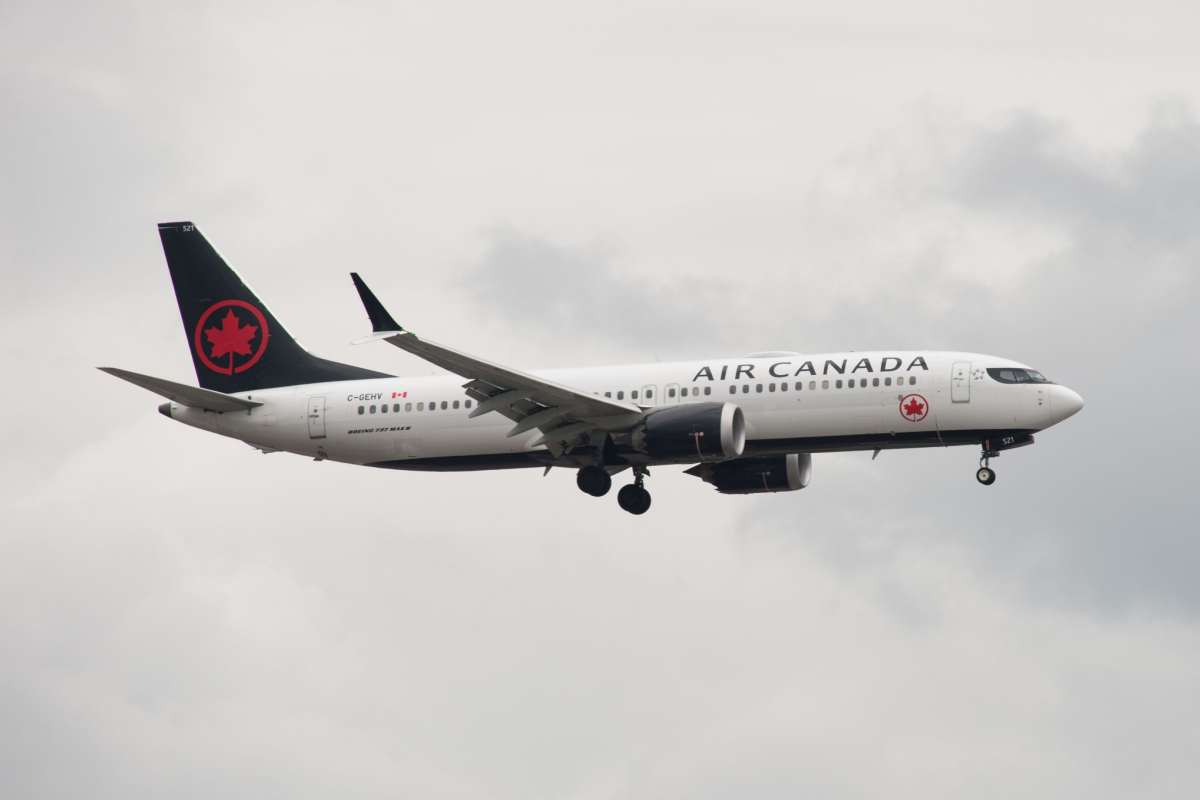
The collision damaged the nose of the Air Canada Express CRJ-900, operated by Jazz Aviation. The aircraft carried 72 passengers and four crew members. The fire truck was responding to a reported odor issue on a United Airlines flight when it entered the runway.
LaGuardia temporarily shut down following the crash. Flights resumed at reduced capacity Monday afternoon, but the Federal Aviation Administration does not expect the affected runway to reopen until Friday due to extensive debris that must be documented and removed.
National response and broader concerns
FAA Administrator Bryan Bedford described the two pilots who died as young professionals at the beginning of their careers. Transportation Secretary Sean Duffy reiterated calls for additional congressional funding to modernize air traffic control systems, while acknowledging it is unclear whether upgraded equipment would have prevented the crash.
President Donald Trump called the accident “terrible,” and Canadian Prime Minister Mark Carney described it as deeply saddening.
One passenger, Rebecca Liquori, told local media that the plane jolted on landing before a loud boom sent passengers forward in their seats. A flight attendant was later found injured but alive after being ejected from a jump seat. An unaccompanied minor on board has been reunited with family.
Investigators continue interviewing witnesses and reviewing evidence as they work to determine the full sequence of events that led to the collision.
