


Spending and engagement continue to rise
Korean cultural exports are no longer framed as a global curiosity. According to the 2026 Overseas Hallyu Survey, released by South Korea’s Ministry of Culture, Sports and Tourism and the Korea Foundation for International Cultural Exchange, international audiences now engage with Korean content as part of their regular media habits.
The survey, conducted in November and December across 30 countries with 27,400 respondents aged 15 to 59, shows that global consumers spend an average of 14.7 hours and $16.60 per month on Korean cultural products. Both figures increased from last year’s results.
Short-form social media often serves as the entry point. Viewers frequently encounter clips, songs or tutorials before migrating to longer formats on streaming platforms. For variety programming, 61.4 percent of viewers first discover content via social networks rather than OTT services.
Food leads cultural experience rankings
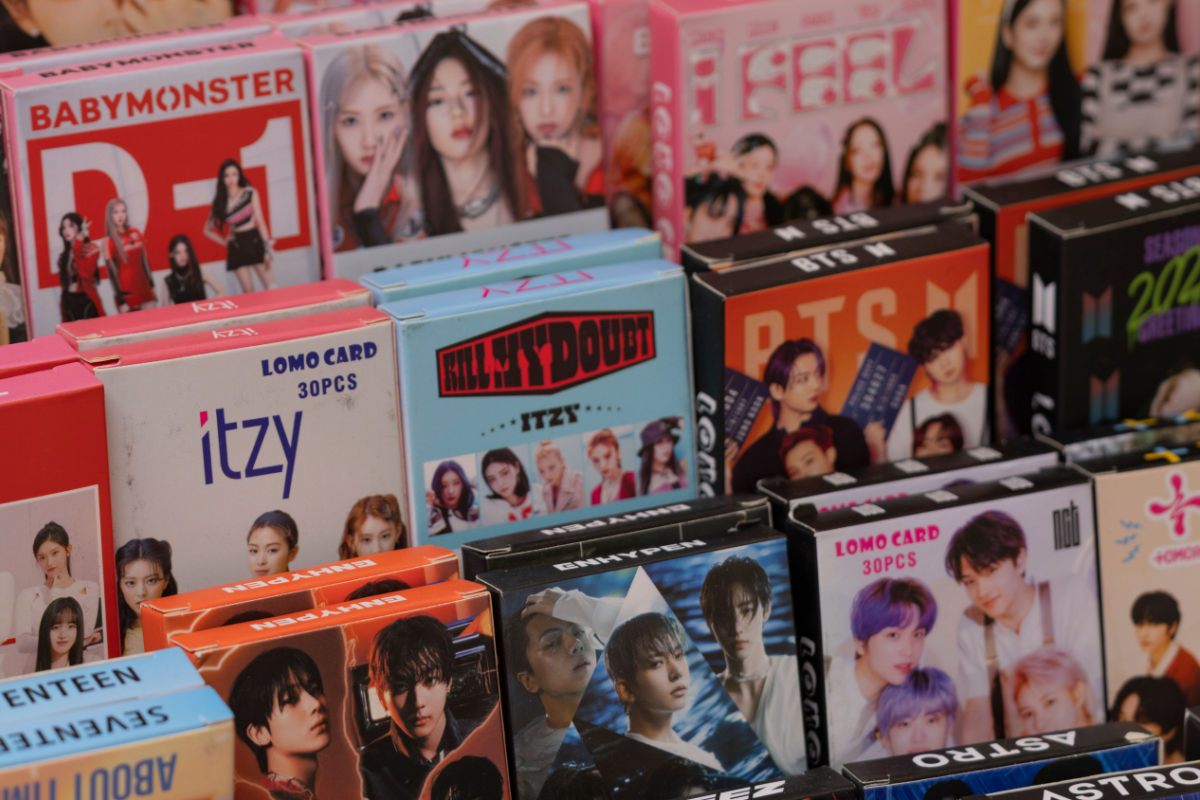
While K-pop remains the most globally associated cultural export, Korean food recorded the highest overall experience rate, slightly ahead of film, television dramas and music. The findings suggest that cultural exposure increasingly extends beyond entertainment into everyday consumption.
Notably, perceptions of South Korea have shifted. “North Korean nuclear threat” dropped out of the top ten image associations, replaced by references to IT products and automobiles. Researchers interpret this as evidence that Korea’s international identity is consolidating around culture and technology rather than geopolitical tension.
Western markets accelerate
Asia-Pacific markets continue to show the highest total consumption levels. However, the fastest growth occurred in Western countries. In the United States, engagement with Korean film, dramas and variety shows rose by more than 10 percentage points year over year.
The United Kingdom recorded gains of up to 12.3 percentage points across fashion, animation and publishing. Southern Europe saw strong growth in music, with France up 11.3 points, Italy 9.7 and Spain 6.4.
Survey authors describe this as a structural shift, marking Korean content’s entry into Western mainstream markets rather than niche segments.
Familiar titles and new challengers
Established hits continue to dominate preference rankings. “Squid Game” remains the most preferred Korean drama at 12.4 percent, while “Parasite” leads film at 8.3 percent. In gaming, PUBG: Battlegrounds holds first place for the fifth consecutive year.
New releases also gained traction. The drama “When Life Gives You Tangerines” debuted in second place, particularly resonating in Latin America. In animation, “King of Kings” entered the top five during its release year.
BTS was named the most preferred musical act for the eighth straight year, while actor Lee Min-ho retained first place among actors for the thirteenth year. The survey’s new “most influential Hallyu figure” category ranked BTS first, followed by Lee Min-ho, Blackpink, Jungkook and Lisa. Esports player Lee “Faker” Sang-hyeok also appeared, reflecting Hallyu’s expansion into competitive gaming.
Challenges and sustainability
Among critical respondents, 16.1 percent cited excessive commercialism as a concern. Others pointed to geopolitical tensions and celebrity controversies.
KOFICE President Park Chang-sik said the findings show Hallyu has become “structurally embedded in global markets,” emphasizing the need for continued research and sustainable industry strategies.
