


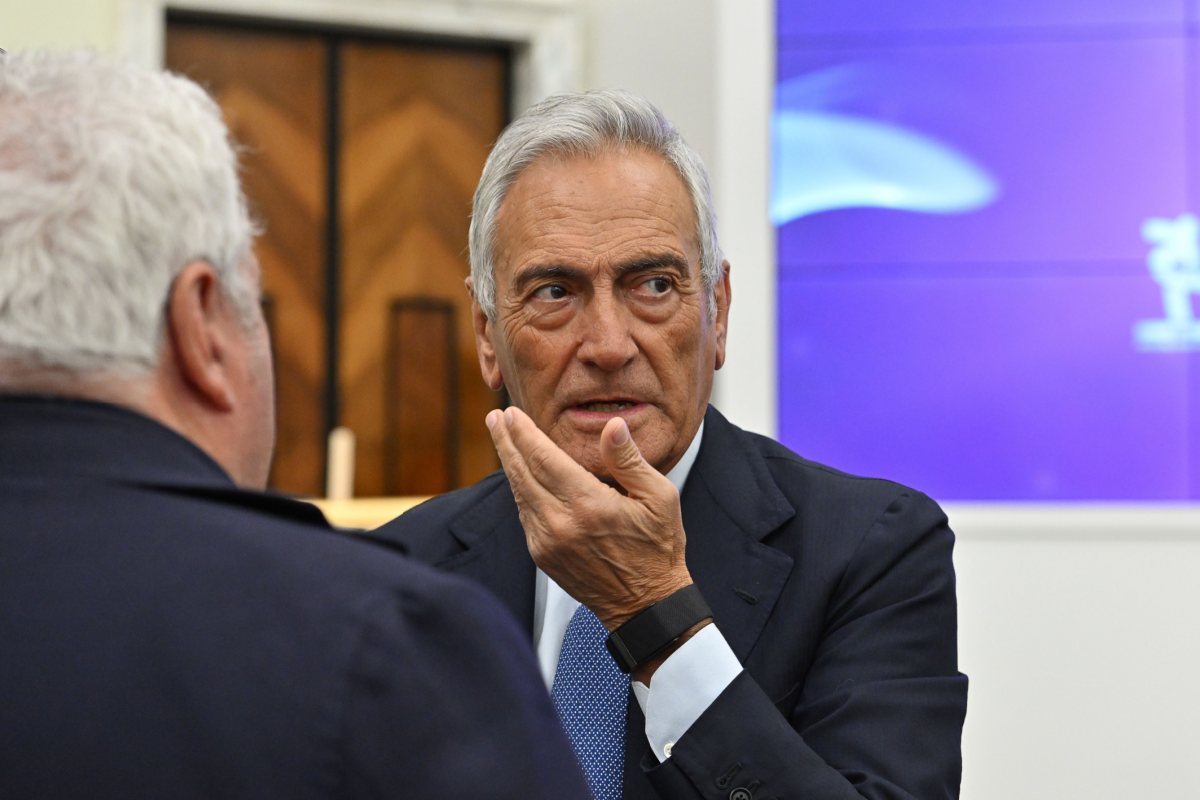
FIGC president steps down following historic setback
Gabriele Gravina has resigned as president of the Italian Football Federation (FIGC) after Italy failed to qualify for a third consecutive FIFA World Cup. The four-time world champions were eliminated in the play-off final after losing 4–1 on penalties to Bosnia-Herzegovina, marking an unprecedented low in the nation’s football history.
No previous World Cup-winning nation has missed three consecutive tournaments. Italy’s absence from Russia 2018 and Qatar 2022 has now been followed by failure to reach the 2026 competition in the United States, Canada and Mexico.
Buffon follows with resignation
Shortly after Gravina’s announcement, former Italy goalkeeper Gianluigi Buffon also resigned from his role as delegation head of the national team. Writing on social media, Buffon described his departure as “an act of responsibility,” acknowledging that the primary objective of returning Italy to the World Cup had not been achieved.
Buffon, who was part of Italy’s 2006 World Cup-winning squad, stated that stepping aside would allow new leadership the freedom to appoint their preferred personnel for the role.
Mixed legacy during Gravina’s tenure
Gravina, 72, had led the FIGC since October 2018, succeeding Carlo Tavecchio, who resigned after Italy’s failure to qualify for the 2018 World Cup. During Gravina’s tenure, Italy enjoyed success at UEFA Euro 2020, defeating England in a penalty shootout at Wembley Stadium.
However, recent failures at international level overshadowed that triumph. Gravina oversaw the appointments of national team coaches including Luciano Spalletti and current manager Gennaro Gattuso, whom he had urged to remain in charge despite the World Cup disappointment.
FIGC prepares for leadership transition
The FIGC confirmed that a presidential election will take place on June 22 to determine Gravina’s successor. Among the leading candidates is Giovanni Malagò, former president of the Italian Olympic Committee and head of the Milan-Cortina Winter Olympics organizing committee.
The leadership change comes at a critical moment for Italian football, as the federation faces mounting scrutiny over governance, development and long-term competitiveness on the international stage.
Euro 2032 hosting role under threat
Italy’s football infrastructure has also come under intense examination. Aleksander Čeferin, president of UEFA, warned that Italy could lose its role as co-host of Euro 2032 alongside Turkey if stadium upgrades are not completed in time.
Italy must present five suitable stadiums to UEFA by October. Čeferin expressed confidence that the tournament will proceed as planned but emphasized that inadequate infrastructure could jeopardize Italy’s participation as host.
While supporting Gravina personally, Čeferin noted that broader systemic issues, including political and administrative obstacles, have hindered stadium modernization efforts across the country.
