


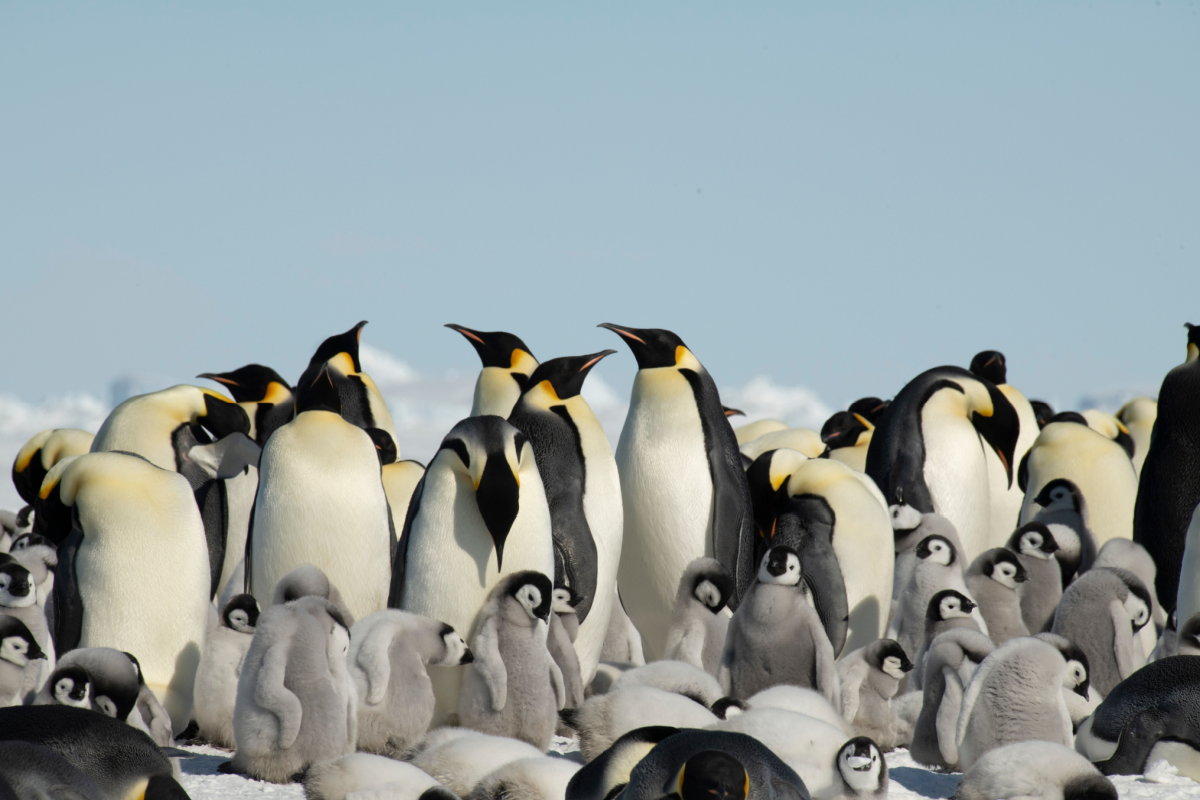
Sea Ice Collapse Drives Status Change
The International Union for Conservation of Nature (IUCN) has officially classified the emperor penguin as endangered, citing accelerating sea ice loss linked to the climate crisis. The move marks a two-category jump from “near threatened” and reflects mounting evidence of colony collapses across Antarctica.
Emperor penguins depend on stable “fast ice” — sea ice attached firmly to the coastline — for approximately nine months each year. It provides essential habitat for breeding, raising chicks and adult moulting. When that ice breaks up prematurely, chicks lacking waterproof feathers can fall into the ocean and drown or freeze.
Since 2016, Antarctic sea ice has reached record lows. In 2022, four of five breeding colonies in the Bellingshausen Sea failed, resulting in the loss of thousands of chicks. A colony in the Weddell Sea similarly collapsed in 2016.
Population Projections Worsen
The global emperor penguin population is currently estimated at 595,000 adults, having declined by 10% between 2009 and 2018. The IUCN projects that numbers could fall by half by the 2080s if sea ice loss continues at current rates.
Experts describe the species as a sentinel of environmental change. Marine ecologist Dr Philip Trathan said early ice breakup is already disrupting breeding, feeding and moulting habitats and warned that human-driven climate change poses the most significant long-term threat.
Broader Antarctic Impacts
The latest IUCN assessment also highlights severe declines in other Antarctic wildlife. The Antarctic fur seal population has fallen by more than half since 1999, dropping to an estimated 944,000 mature individuals in 2025. Rising ocean temperatures have driven krill — a key food source — into deeper waters, limiting availability for seals and reducing pup survival rates.
The southern elephant seal has also been reclassified as vulnerable following bird flu outbreaks since 2020. In some colonies, more than 90% of newborn pups have died.
Calls for Urgent Action
Conservation groups argue that rapid decarbonization is essential to halt further warming and protect Antarctic ecosystems. WWF has called for emperor penguins to receive “specially protected species” status at the upcoming Antarctic Treaty meeting in Japan, a designation that could limit additional pressures such as tourism and shipping.
Scientists emphasize that stabilizing greenhouse gas emissions remains the central factor determining whether emperor penguins and other Antarctic species can adapt to a rapidly changing environment.
