


Unusual Public Confrontation
The escalating exchange between President Donald Trump and Pope Leo XIV is being described by religious scholars as unprecedented in modern U.S. history. While popes have long spoken on political matters, experts say direct personal attacks from a sitting American president toward a pope are without recent parallel.
The latest dispute began after Pope Leo called for peace amid the war in Iran and warned against what he described as the “delusion of omnipotence,” stating that God does not bless conflict. Trump responded on social media by criticizing the pope’s stance on foreign policy and crime, and later claimed Leo was weak in the face of global threats.
Vice President J.D. Vance, a Catholic, also weighed in, suggesting the pope should tread carefully when addressing theological matters linked to political issues.
A Break From Diplomatic Norms
Historians note that previous popes have often addressed wars, human rights and global policy, but typically in measured and diplomatic language. Pope Paul VI urged an end to the Vietnam War during a 1965 United Nations speech. Pope John Paul II advocated for peace in the Middle East and opposed the 2003 Iraq invasion, yet interactions with U.S. presidents remained respectful.
Pope Francis also publicly criticized policies, including climate inaction and border walls, but tensions were usually diffused quickly. Scholars say Pope Leo’s direct naming of Trump marks a rare shift in tone, breaking from a tradition of Vatican neutrality.
Religious Rhetoric in U.S. Politics
Observers point to the Trump administration’s overt religious messaging as a factor intensifying the confrontation. Recent social media posts depicting Trump in biblical imagery drew criticism from religious scholars, who argue such symbolism raises theological concerns.
Experts suggest Leo’s direct responses may reflect a belief that silence carries moral consequences when religious language is used to justify political decisions.
The First American Pope
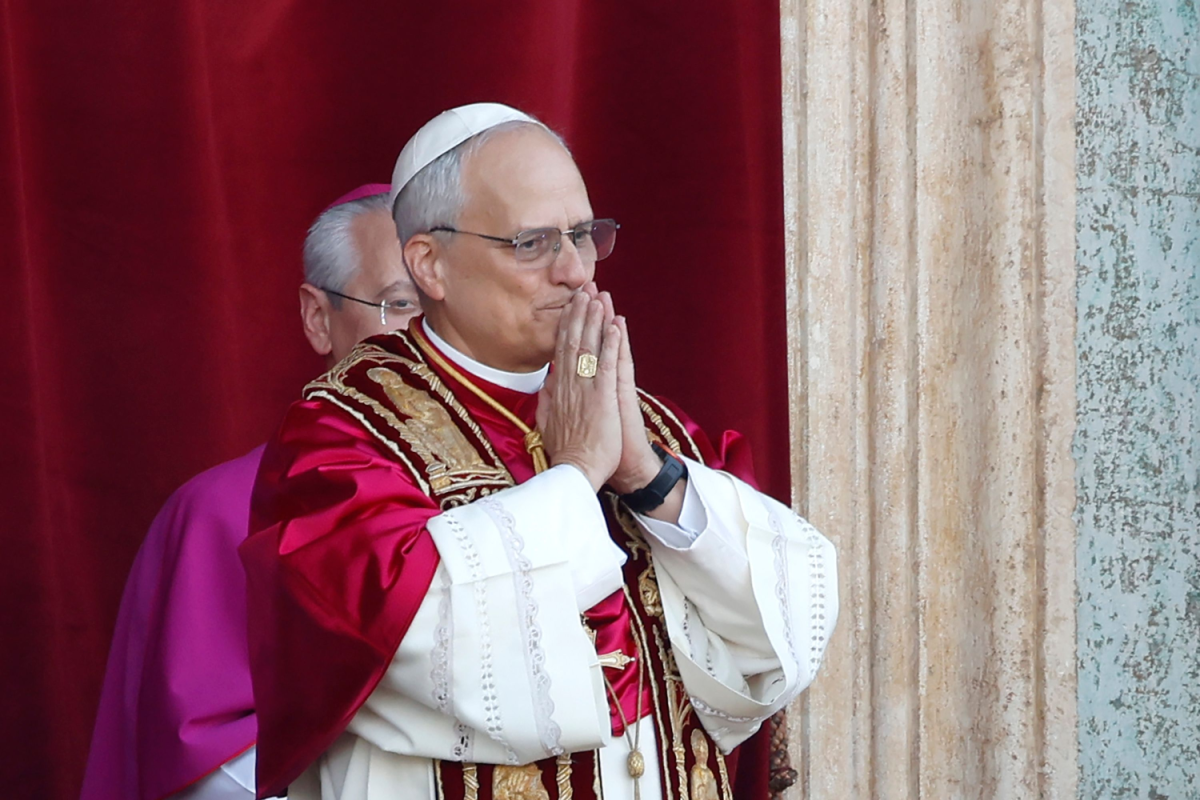
Pope Leo XIV, born in Chicago, is the first American to lead the Catholic Church. Analysts say this may shape public perception of the clash. As an American citizen turned global religious leader, his criticisms of U.S. policy may resonate differently than those of previous pontiffs.
Leo has emphasized that his role is universal rather than national. Still, scholars argue that his American background could lend added weight to his calls for peace and civic engagement, including appeals for citizens to communicate directly with lawmakers.
While tensions remain elevated, experts say the broader issue centers on the balance between moral leadership and political authority in a polarized era.
