


Cosmic Particles Linked to Major Aircraft Groundings Worldwide
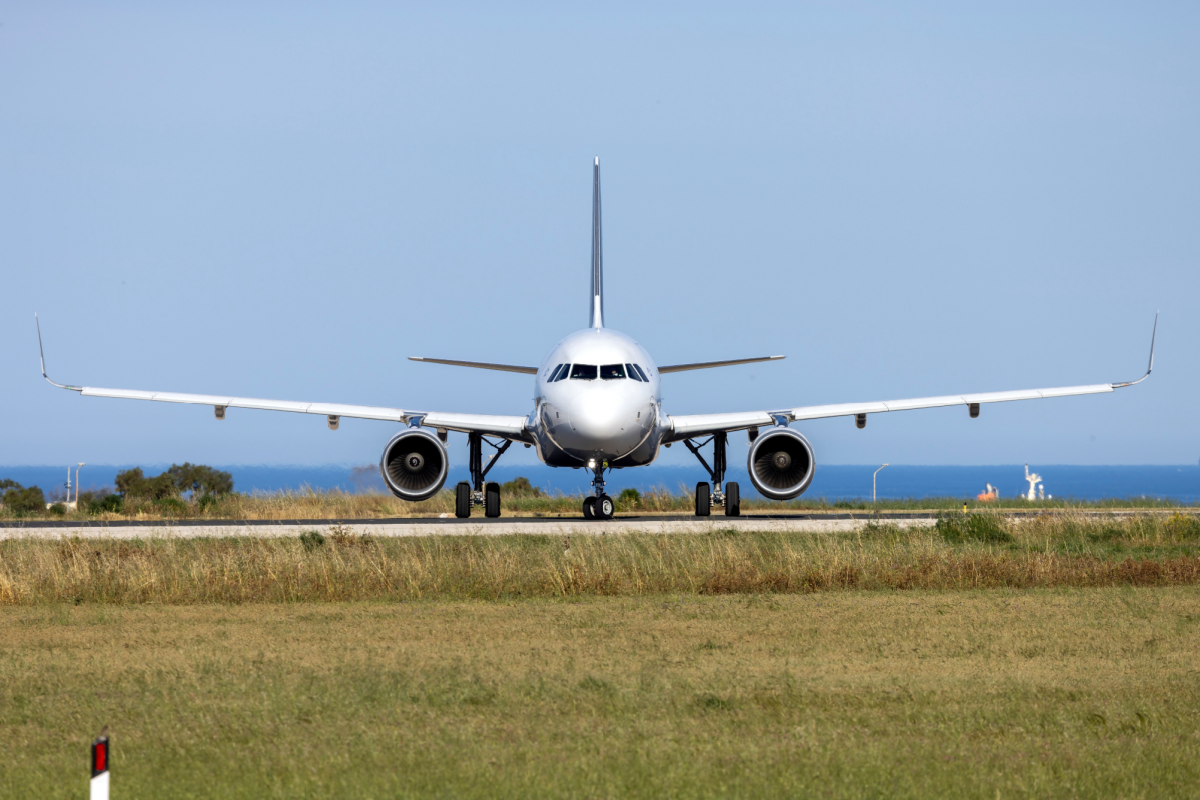
A large scale aviation recall has drawn new attention to the influence of space radiation on modern aircraft electronics. The issue surfaced after a JetBlue Airbus A320 experienced a sudden and uncommanded loss of altitude during a flight from Cancun to Newark on 30 October 2025. The incident injured several passengers and forced an emergency diversion to Florida. It later became the basis for one of the most extensive air safety actions ever taken for commercial jets.
Investigators determined that a malfunction in one of the aircraft’s flight control computers likely stemmed from a single event upset, a type of error caused when high energy particles from space strike sensitive microelectronics. Airbus said the event corrupted data within the system that controls key moving surfaces on the wings. Within weeks, more than 6,000 Airbus aircraft across the A320 family required urgent software updates, and roughly 900 needed new hardware to reduce the risk of similar failures.
Regulators in Europe and the United States issued emergency airworthiness directives stating that these radiation linked errors could, in extreme situations, cause flight control changes severe enough to challenge the structural limits of an aircraft. Airlines around the world faced delays and cancellations as fleets were grounded during one of the busiest travel periods of the year.
How Space Radiation Disrupts Aircraft Electronics
Space weather experts note that commercial aircraft fly at altitudes where the flux of high speed neutrons is significantly higher than at ground level. These particles originate both from solar events and from distant cosmic sources such as supernova remnants. When a neutron strikes computer memory, it can alter a single bit of data, flipping it from a zero to a one or the reverse. Modern fly by wire systems depend heavily on uninterrupted digital information, which makes certain components more sensitive to these disruptions.
Matthew Owens, a professor of space physics at the University of Reading, said these events are common in satellites and increasingly relevant for aviation. While similar incidents have been documented in the past, including a 2008 event involving an Airbus A330, the specific causes are often difficult to confirm because the particles leave no physical trace.
Some scientists questioned why Airbus initially cited intense solar radiation on 30 October, noting that the day did not align with significant solar particle activity. Subatomic particles capable of triggering bit flips also arrive continuously from outside the Solar System, raising the possibility that galactic cosmic rays played a larger role in the JetBlue incident. Airbus did not provide further details on the exact source of the radiation.
A major solar flare was recorded on 11 November, nearly two weeks after the JetBlue event, and produced one of the strongest radiation increases measured in about twenty years. Instruments on aircraft over the United Kingdom detected a tenfold spike in neutron levels. Although unrelated to the recall, the event underscored how variable space radiation can be and how quickly conditions can change.
Industry Response and the Push for Stronger Protections
Airbus developed a rapid software fix that refreshes key parameters frequently enough to prevent corrupted values from influencing flight controls. Airlines began installing the update immediately, and most affected aircraft were cleared to return to service by early December. Fewer than 100 jets remained grounded as hardware replacements continued.
Experts say more permanent solutions may be needed as microchips become smaller and more integrated across critical systems. Keith Ryden, a professor of space engineering at the University of Surrey, has worked on guidelines for radiation hardening of aviation electronics. He noted that these standards are voluntary, leaving wide variation in the protection levels used across the industry.
Space weather monitoring has expanded in recent years, with scientists tracking neutron flux levels to help understand the impact on digital systems in aviation, telecommunications and infrastructure. As aircraft become more dependent on high density computing, engineers expect the risk of radiation induced errors to increase unless new safeguards are adopted.
The recall has prompted renewed discussion among regulators, manufacturers and researchers about how to prepare for a future in which cosmic radiation and solar activity may pose more frequent challenges to aviation electronics. While the current software fix appears effective, long term solutions may require updated standards and new generations of hardened components.
