


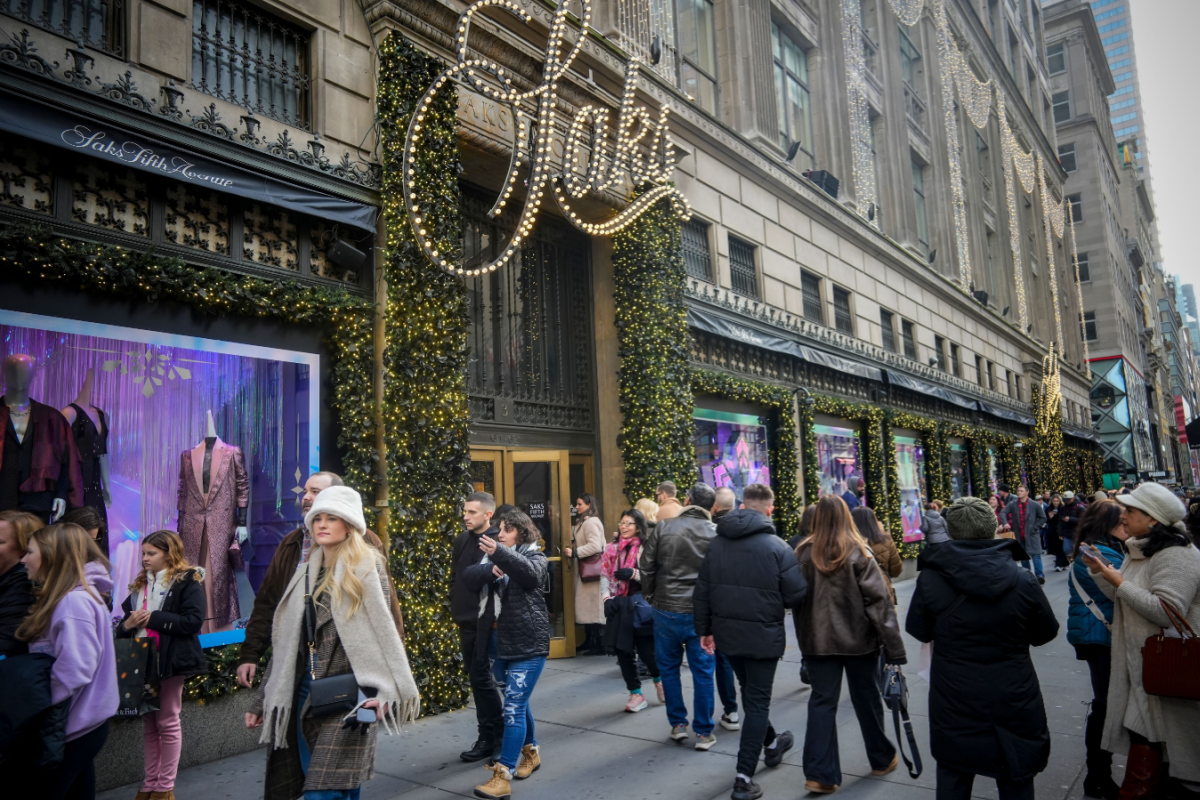
Saks Global has filed for Chapter 11 bankruptcy protection, marking a significant turning point for the largest luxury department store group in the United States. The move reflects mounting debt pressures and structural shifts in the retail industry. While stores will remain open during the reorganization, the filing underscores changing consumer behavior and challenges facing traditional luxury department stores.
Why Saks Global Entered Chapter 11
The bankruptcy filing signals that debt has constrained the company’s operations and that a restructuring or change in ownership is likely. Saks Global expanded aggressively through a debt financed acquisition of Neiman Marcus in 2024. Analysts say the added financial burden reduced flexibility at a time when luxury retail was already under pressure from online competition and changing buying habits.
In an effort to manage debt obligations, the company adjusted vendor agreements to retain a larger share of sales revenue. Some suppliers responded by reducing inventory levels, which limited product selection and weakened customer demand across Saks Global owned stores.
Shifting Luxury Retail Dynamics
The filing reflects broader changes in how consumers shop for luxury goods. E-commerce and direct to consumer sales have allowed brands to bypass department stores and sell directly to shoppers. Social media has also reshaped discovery, reducing reliance on in store browsing and traditional retail experiences.
At the same time, luxury prices have risen sharply over the past several years. Analysts note that some middle income shoppers have become more price sensitive, questioning whether higher prices still offer sufficient value. This has reduced demand among customers who historically supported department store luxury sales.
What the Bankruptcy Means for Shoppers
Saks Global has stated that stores will continue operating during the reorganization process, though some locations may close. Customers should expect continuity in the short term, but longer term outcomes will depend on how the restructuring unfolds and whether new ownership or capital emerges.
The filing comes amid strong overall consumer spending in the United States, highlighting a contrast between resilient retail sales and ongoing declines at department stores. Over the past year, department store sales have lagged broader retail growth, reflecting a shift toward online platforms and a polarization of consumer spending.
Implications for the Luxury Market
Analysts say the bankruptcy points to a widening gap within the luxury market. High end consumers continue to spend on ultra luxury goods, while shoppers with slightly above average incomes appear more cautious. This divergence has placed traditional department stores in a difficult position, squeezed between premium brands and value oriented alternatives.
Conclusion
Saks Global’s Chapter 11 filing highlights the growing strain on legacy luxury retailers amid rising debt, digital disruption, and changing consumer priorities. As the company restructures, the outcome may shape the future of department stores and signal how luxury retail adapts to an increasingly fragmented marketplace.
