


Boyu Capital to Take 60% Ownership as U.S. Coffee Giant Refocuses
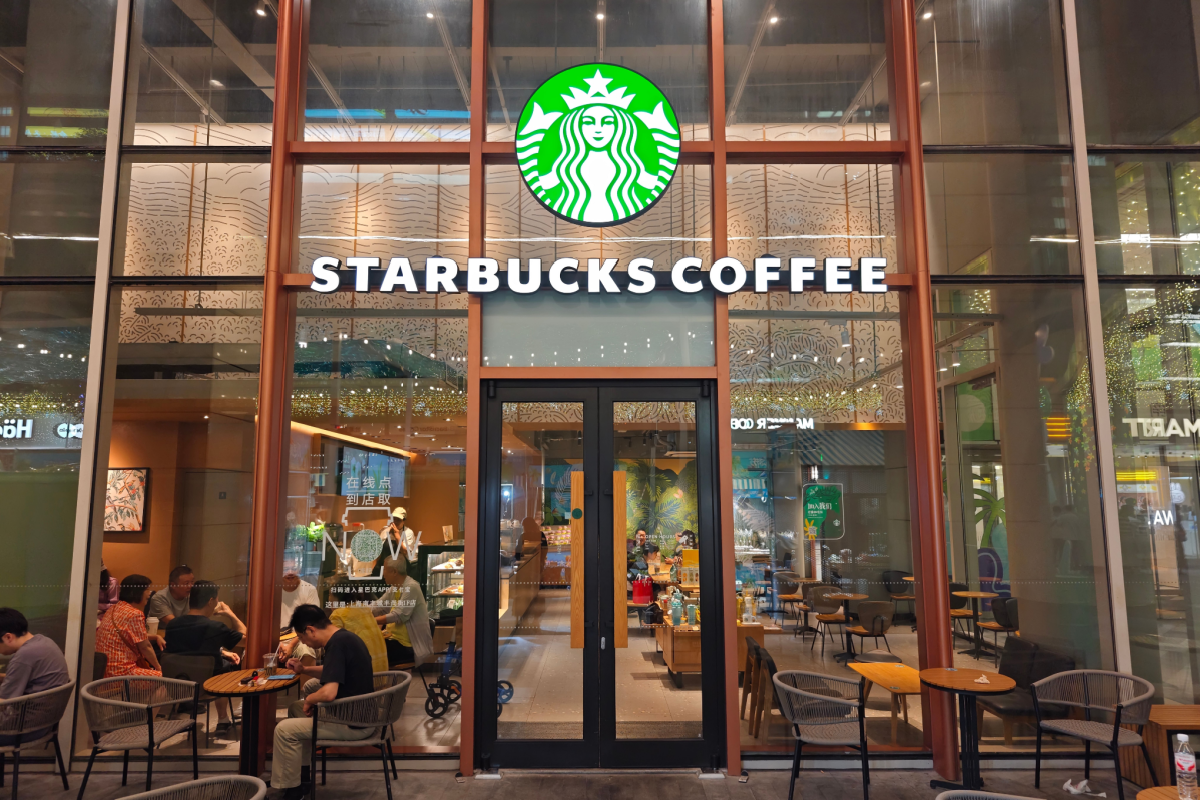
Starbucks has agreed to sell a 60% stake in its China operations to Boyu Capital, a Hong Kong–based private equity firm, in a $4 billion deal that marks one of the company’s most significant strategic shifts in Asia. The U.S. coffee chain announced the sale on Monday, describing it as a “new chapter” in its 26-year presence in China.
Under the agreement, Starbucks will retain a 40% interest in the joint venture and maintain ownership of its brand and intellectual property. Boyu Capital—founded by investors including Alvin Jiang, grandson of former Chinese President Jiang Zemin—will take control of daily retail operations across mainland China.
Refocusing After Losing Ground to Local Rivals
The move follows years of declining market share as Starbucks faces fierce competition from local brands such as Luckin Coffee, which now operates more than 26,000 stores worldwide, most of them in China. Starbucks currently runs about 8,000 stores in the country but plans to expand to 20,000 under the new partnership.
“Starbucks used to be a pioneer in coffee in China, where it was probably the first coffee chain in many cities,” said Jason Yu, managing director of Shanghai-based CTR Market Research. “But this is no longer the case as the local competition already outpaced Starbucks in their expansion.”
Luckin’s rapid growth has been fueled by lower prices and aggressive digital marketing. A small Americano costs around 30 yuan ($4.21) at Starbucks, compared to roughly 10 yuan ($1.40) at Luckin, according to Yu. Domestic coffee chains have also captured younger consumers through in-app loyalty programs and delivery discounts.
Competition Reshaping China’s Beverage Market
Analysts say Starbucks has struggled to adapt to a market that increasingly values affordability, convenience, and technology-driven service. “Between domestic players such as Luckin and later Cotti Coffee undercutting Starbucks on price, footprint and flavour, fuelled by tech and the rise of milk tea brands, Starbucks has lost its once competitive edge,” said Olivia Plotnick, founder of the Shanghai-based social marketing firm Wai Social.
The so-called “delivery platform wars” have also intensified competition, with apps offering steep discounts to win customers—a trend that has further eroded Starbucks’s premium positioning.
By partnering with Boyu Capital, Starbucks aims to leverage the firm’s deep local expertise in logistics, infrastructure, and commercial real estate management. Yu noted that the partnership mirrors strategies adopted by other major Western brands in China to maintain growth while navigating local market complexities.
Following a Familiar Playbook
Starbucks is not the first U.S. food brand to restructure its China business. In 2016, Yum Brands—owner of KFC and Pizza Hut—sold a large stake in its China division to Primavera Capital and an affiliate of Alibaba Group, later spinning it off as an independent company. A year later, McDonald’s sold a majority stake in its operations across China, Hong Kong, and Macau to state-backed CITIC Group and Carlyle Capital, a deal that helped it double its China outlets to 5,500 by 2023 and set a target of 10,000 stores by 2028.
For Starbucks, the Boyu partnership could mark a turning point. Analysts say it will provide a capital boost and operational flexibility as the company seeks to rebuild its momentum in the world’s second-largest coffee market. With local competition rising and global brands adapting their strategies, the new joint venture signals Starbucks’s intent to stay in the game—but on new terms.
