


Hundreds of millions affected as cancellations surge
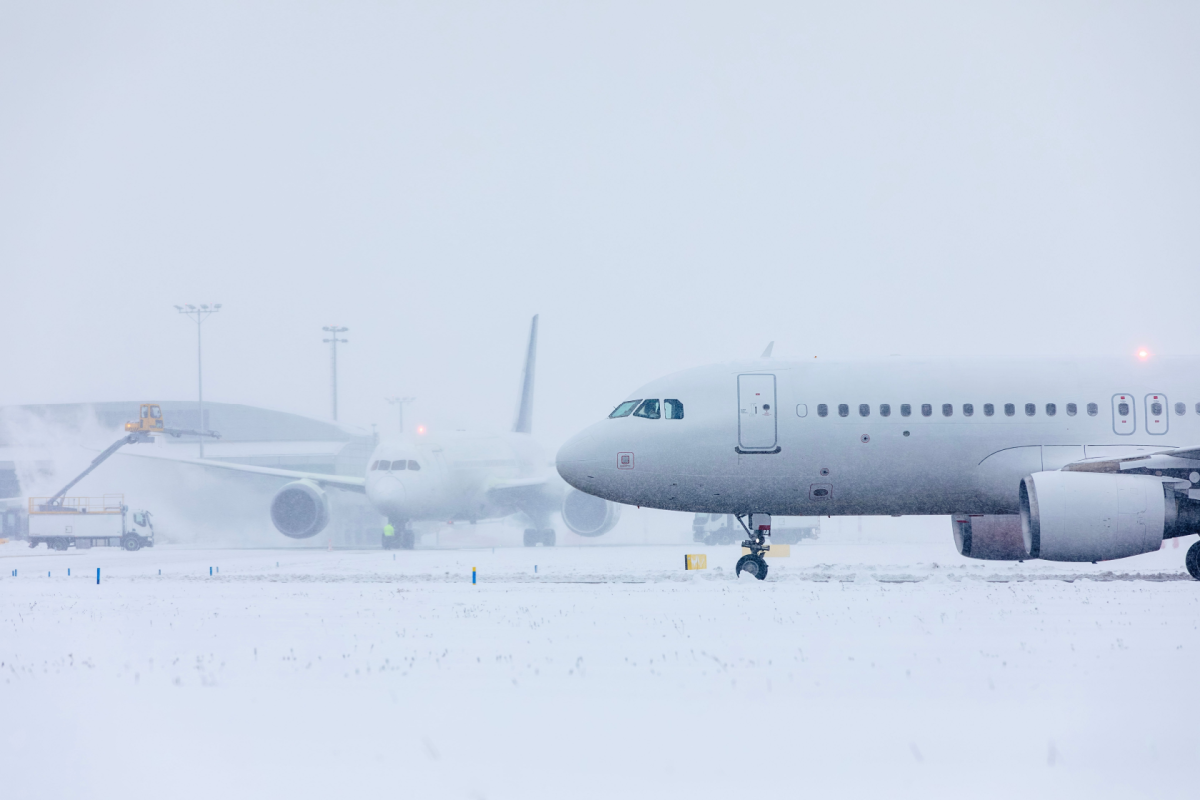
A massive winter storm created severe travel disruptions across the United States on Sunday, prompting airlines to warn of widespread flight cancellations and delays at some of the nation’s busiest airports.
According to the National Weather Service, snow, sleet and freezing rain threatened nearly 180 million people, more than half of the U.S. population. The storm system stretched from the southern Rocky Mountains to New England and was expected to dump between 1 and 2 feet of snow across major Northeast cities, including Washington, New York and Boston.
Flight cancellations reach historic levels
More than 13,500 flights have been canceled nationwide since Saturday, flight-tracking service FlightAware reported. Roughly 9,600 of those cancellations were scheduled for Sunday alone.
Aviation analytics firm Cirium said Sunday marked the highest single-day flight cancellation event since the Covid-19 pandemic, with more than 29% of all departing U.S. flights scrapped.
Ronald Reagan Washington National Airport warned travelers of near-total disruption, with 414 departing flights canceled, representing 97% of its scheduled departures.
Major hubs hit hard
Significant disruptions were expected across several major airport hubs, including Dallas-Fort Worth, Charlotte, Philadelphia and Atlanta, the busiest airport in the world. New York’s John F. Kennedy International Airport and LaGuardia Airport also faced extensive cancellations and delays.
By airline, American Airlines had canceled more than 1,400 flights for the day. Delta Air Lines and Southwest Airlines each reported roughly 1,000 cancellations, while United Airlines had more than 800. JetBlue canceled over 560 flights, accounting for about 70% of its daily schedule.
What travelers should do
Travelers already at the airport were advised to get in line to speak with customer service representatives. Those still at home or at hotels were encouraged to contact airlines online or by phone, while simultaneously researching alternative flight options.
Most airlines will rebook passengers on a later flight at no additional charge, depending on seat availability. However, airlines are generally not required to place passengers on flights operated by other carriers, even during large-scale disruptions.
Refund rights for canceled flights
If a flight is canceled and a passenger chooses not to travel, U.S. law requires airlines to issue a full refund, even for non-refundable tickets. The reason for the cancellation does not affect refund eligibility.
Passengers are also entitled to refunds for unused extras such as checked bag fees, seat upgrades and other ancillary charges, even if the airline offers travel credits as an alternative.
