


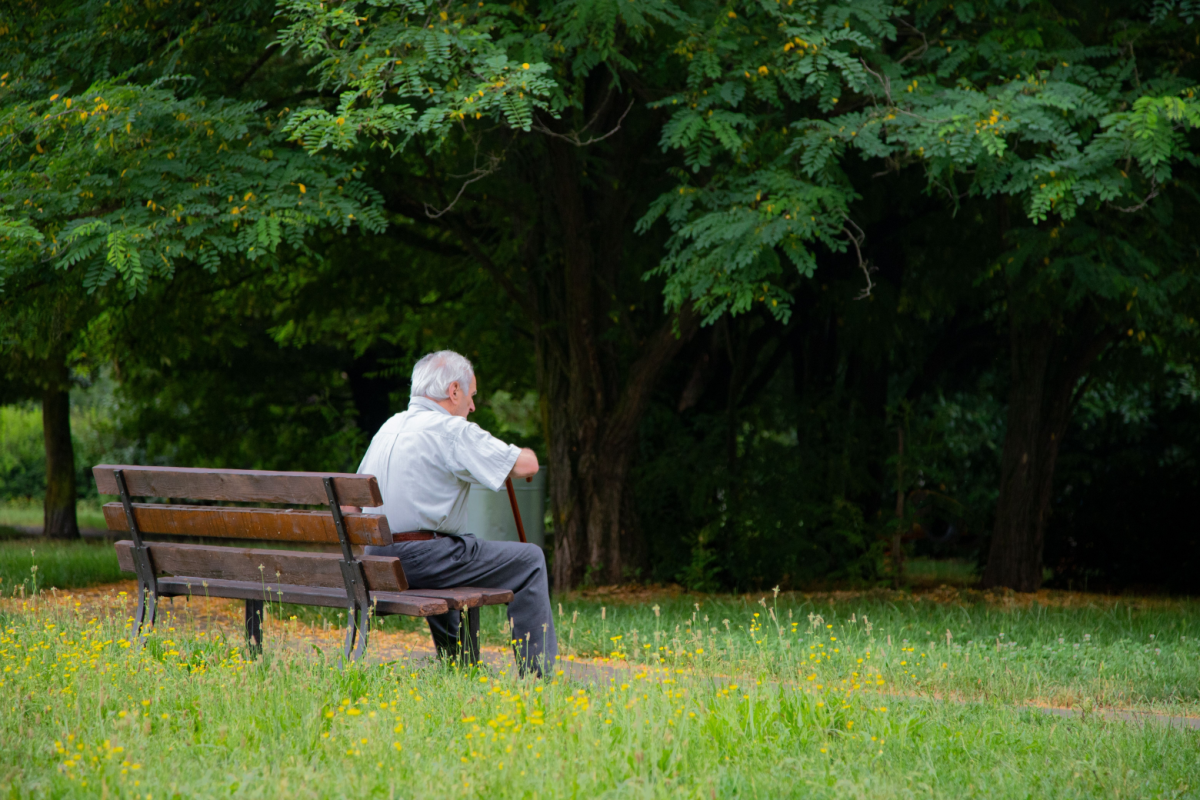
A hidden phase of isolation
The stereotype of loneliness often centers on teenagers or young adults. Yet research consistently shows that isolation intensifies later in life. A large meta-analysis covering more than 1.25 million older adults found that 27.6% of people over 65 report loneliness, with some studies showing rates near 50% under certain conditions. A longitudinal study of more than 1,600 Americans revealed that 43% of participants aged 60 and older felt lonely, and that loneliness significantly predicted functional decline and mortality over six years.
This is not about a quiet weekend with no plans. It is about structural loneliness, shaped by transitions that alter how belonging is formed.
1. Retirement removes daily structure
Work provides routine interaction and shared purpose. Retirement can abruptly eliminate that framework. Without a built-in setting for social exchange, connection requires intentional effort, and many find there is no automatic replacement.
2. Bereavement compounds over time
Loss accumulates with age. By 75, many people have experienced multiple deaths of close friends or partners. Each loss reduces emotional support and shrinks social networks. The impact is cumulative rather than isolated.
3. Physical changes limit participation
Mobility challenges, chronic pain, fatigue and hearing loss can restrict social engagement. Even mild sensory decline can make group settings exhausting. The result is gradual withdrawal from environments that once felt accessible.
4. Social networks naturally contract
Friends relocate, become ill or pass away. Among adults over 80, rates of social isolation approach 33.6% in some studies. Networks that were robust at 55 may look dramatically different two decades later.
5. Identity shifts as roles fade
Much of adult identity is tied to roles such as worker, caregiver or active community member. When those roles change or disappear, individuals may struggle with purpose and belonging. Social identity research shows that loss of group membership increases vulnerability to stress and loneliness.
6. Driving cessation reduces independence
In car-dependent communities, losing the ability to drive limits spontaneity and access. Without reliable transportation alternatives, daily interaction becomes constrained, sometimes invisibly isolating individuals at home.
7. Cultural expectations discourage disclosure
Many older adults were raised to value self-sufficiency. Admitting loneliness can feel like personal failure. Yet studies link unaddressed loneliness to declines in mobility and daily functioning, suggesting that silence may intensify its effects.
8. The environment evolves away from older adults
Technology, social norms and physical spaces increasingly favor younger users. Restaurants grow louder, digital tools become central to communication and public design assumes mobility and speed. Over time, the world may feel less navigable and less welcoming.
A structural challenge, not a personal flaw
Loneliness after 65 is not evidence of ingratitude or antisocial behavior. It reflects how modern societies are organized around work, mobility and proximity. As routines fade and roles shift, connection requires new forms of support. Recognizing this pattern is the first step toward addressing it collectively rather than privately.
