


Introduction
Israel’s military says it struck Hezbollah targets in Lebanon after the Iran-backed group launched rockets and drones toward Haifa, framing the attack as retaliation for the killing of Iran’s Supreme Leader Ayatollah Ali Khamenei. Lebanon’s health ministry reported 31 deaths from Israeli strikes in Beirut’s southern suburbs and the country’s south. The escalation comes as conflict between Iran, Israel, and the United States spreads across the region, raising fears of a wider multi-front war.
Hezbollah Launches Rockets and Drones Toward Haifa
Hezbollah said it fired a barrage of rockets and a swarm of drones toward a missile defense site south of Haifa, describing the attack as revenge for Khamenei’s killing and for continued Israeli strikes in Lebanon since a previous ceasefire ended a war between the two sides about 15 months ago. Israeli authorities reported no casualties from the incoming fire and said at least one projectile was intercepted while others fell in open areas.
Israel Responds With Air and Naval Strikes
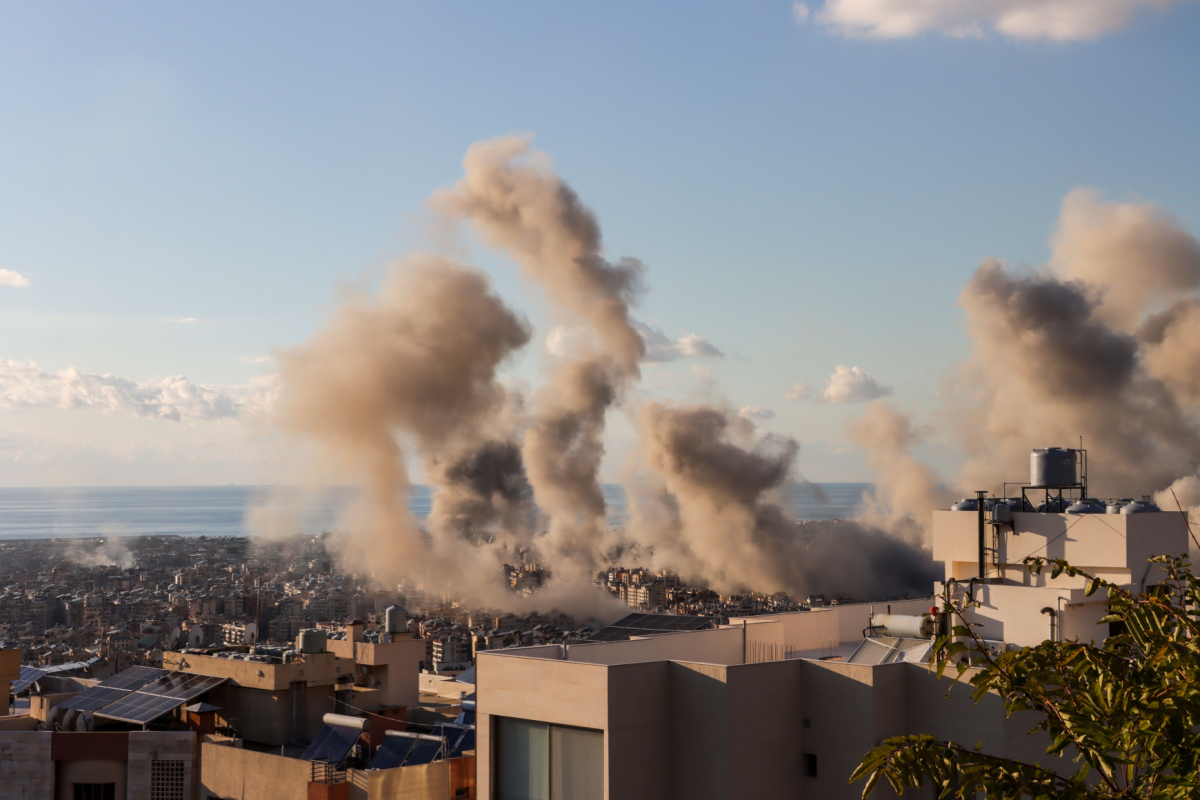
Israel responded with a wave of air and naval strikes targeting what it described as senior Hezbollah operatives, command centers, weapons stores, and other infrastructure. Strikes hit Beirut’s southern suburbs, known as Dahieh, and multiple locations in southern Lebanon. Lebanese officials reported damage, fires, and heavy disruption around the capital, including roads near Beirut’s airport, as residents fled. Israel also issued evacuation warnings for more than 50 villages in southern and eastern Lebanon, signaling the possibility of further strikes.
Lebanon’s Government Moves Against Hezbollah Activity
Lebanon’s Prime Minister Nawaf Salam condemned Hezbollah’s actions as irresponsible and said the government was immediately banning the group’s military activities. The move was framed as an assertion that decisions of war and peace rest with the Lebanese state, and it included a demand that Hezbollah hand over its weapons. Lebanese leaders also condemned Israeli strikes while warning against Lebanon being pulled into conflicts “that do not concern us,” reflecting growing internal pressure over Hezbollah’s independent military role.
Risk of a Prolonged Campaign
Israel’s defense leadership warned Hezbollah would pay a heavy price and signaled a readiness to escalate. Israel’s military chief described the moment as the start of an offensive campaign and told troops to prepare for prolonged combat. Israeli forces also said they deployed troops to defend the northern border and indicated that all options remain available, including a potential ground operation, though no new invasion was confirmed.
Ceasefire Background and Continued Violations
The escalation follows a ceasefire agreement reached in November 2024 after a year-long war. Under the truce, Hezbollah agreed to end its armed presence south of the Litani River, while Israel agreed to withdraw from the area. Since then, both sides have accused each other of violations. Israel has carried out frequent strikes it says are aimed at preventing Hezbollah from rebuilding capabilities, while Israeli forces have remained in at least five positions in southern Lebanon.
Conclusion
The exchange of Hezbollah attacks toward Haifa and Israeli strikes on Beirut’s southern suburbs marks a sharp escalation that risks turning Lebanon into an active front in a broader regional conflict. With reported casualties in Lebanon, evacuation orders, and signs of harder political lines in Beirut, the next phase will depend on whether further retaliation follows, how Lebanon enforces its stated bans, and whether Israel expands operations beyond air and naval strikes.
