


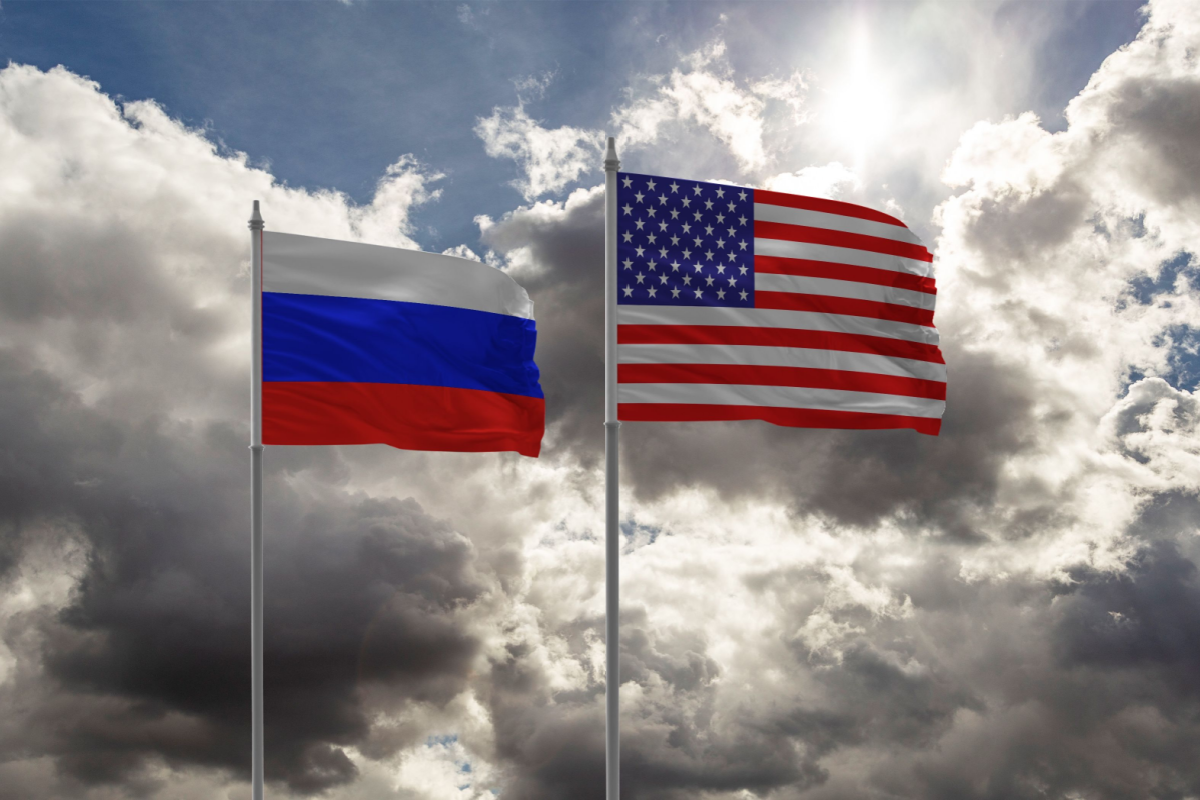
Since the collapse of the Soviet Union in 1991, Russia has seen its global influence sharply reduced. Yet one pillar of its international standing endured: nuclear parity with the United States. That status ensured Moscow a central role in global security diplomacy for decades. With the expiration of the New START treaty, however, the last remaining arms control agreement between the two nuclear superpowers is ending, signaling a profound shift in global strategic stability.
Russia’s Post Soviet Nuclear Leverage
The dissolution of the Soviet Union stripped the Kremlin of territory, economic power, and geopolitical reach. Still, Russia’s nuclear arsenal preserved its seat at the highest diplomatic table. For years, arms control summits allowed Russian leaders to engage US presidents as near equals, echoing the Cold War era of strategic balance.
This dynamic was formalized in 2010, when Barack Obama and then Russian president Dmitry Medvedev signed the New START treaty in Prague. The agreement capped deployed strategic nuclear warheads at 1,550 per side and established inspection regimes covering missiles, submarines, and bombers.
The Treaty’s Collapse
New START expires this week, ending the last bilateral nuclear arms limitation between Washington and Moscow. The United States has repeatedly accused Russia of violating the treaty by blocking inspections of nuclear facilities, while Moscow has denied wrongdoing.
The administration of Donald Trump has shown little urgency about extending the agreement. Trump has publicly dismissed the risks of expiration, suggesting that a new and potentially broader deal could eventually replace it.
Moscow’s Alarm and Strategic Anxiety
In contrast, Russian officials have expressed deep concern. Medvedev, now a senior security figure, warned that letting New START lapse would bring the world closer to catastrophe, referencing the symbolic Doomsday Clock. He stressed that while expiration does not guarantee nuclear war, it should alarm the international community.
Kremlin spokesman Dmitry Peskov said Russia’s proposal to extend the treaty had received no response from Washington. He warned that, for the first time, the world’s two largest nuclear powers would be left without any framework governing their arsenals, calling the situation dangerous for global and strategic security.
Shifting Power Imbalance
Beyond security rhetoric, Russia’s concern reflects a harsher strategic reality. Without arms limits, the United States could significantly expand its nuclear capabilities. The Trump administration has already revived discussion of nuclear armed naval platforms, including so called “Trump class” battleships.
Unlike during the Cold War, Russia lacks the economic capacity to compete in an unconstrained arms race. Its defense budget and industrial base are far smaller than those of the United States, widening the existing imbalance between the two powers.
Washington’s Broader Calculations
The United States has its own strategic rationale for letting New START expire. One key objective is to bring China into future arms control frameworks, reflecting Beijing’s growing nuclear capabilities. However, no replacement agreement is currently in place.
The expiration therefore marks not only the collapse of a specific treaty, but the end of an era in which Washington accepted binding limits on its nuclear arsenal and negotiated exclusively with Moscow.
Conclusion
The end of New START represents a turning point in global nuclear governance. For Russia, it removes one of the last symbols of superpower parity. For the United States, it opens the door to strategic flexibility but also greater uncertainty. For the world, it signals a more unstable nuclear future, with no clear framework to prevent renewed arms competition among major powers.
