


Communities Step In as Floods Cut Off Thousands
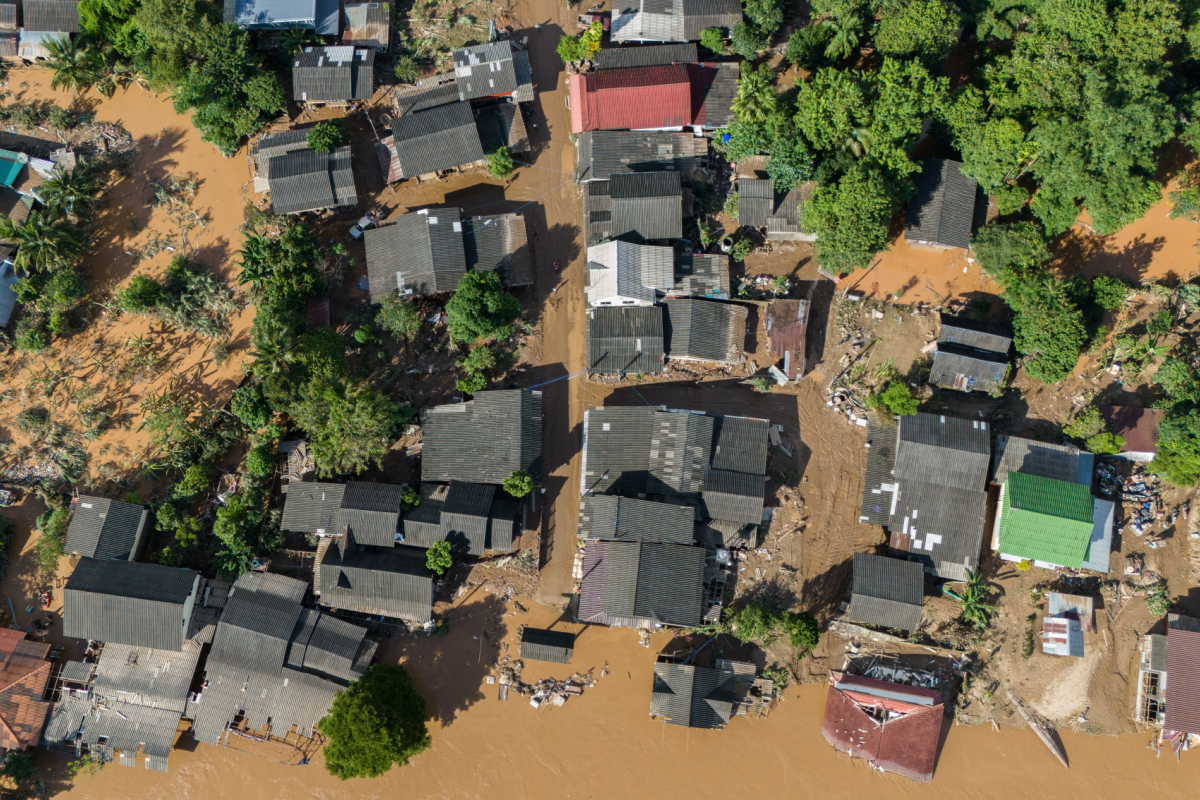
Sri Lankan actor and musician GK Reginold now spends his days steering a motorised fishing boat through flooded Colombo suburbs, delivering food and water to families stranded by Cyclone Ditwah. Many residents have gone days without aid, isolated by the South Asian nation’s worst weather disaster in years. The cyclone brought catastrophic floods and landslides, killing more than 460 people, leaving hundreds missing, and damaging some 30,000 homes.
“I wanted to at least help them have one meal,” Reginold told the BBC. Volunteers like him have turned fishing boats into lifelines, ferrying supplies and rescuing trapped residents as over one million people feel the impact. President Anura Kumara Dissanayake has declared a state of emergency, calling the destruction the “most challenging natural disaster” in the country’s history.
Activists Transform Protest Networks Into Relief Operations
In Colombo’s Wijerama neighbourhood, a community kitchen has sprung into action, operated by activists who once led mass protests against former president Gotabaya Rajapaksa during the 2022 economic crisis. That activism, born from anger over shortages of food, fuel, and medicine, has shifted into a coordinated relief effort.
Social media activist Sasindu Sahan Tharaka says the group immediately reorganised when the cyclone hit. Volunteers rotate shifts, some coming after work, others taking leave to help prepare and distribute meals. “Whatever we asked for, we got more than enough in response from the community,” he said. Many see the initiative as an extension of earlier volunteer work during floods in 2016.
Digital Tools Mobilise Donors and Coordinate Aid
Beyond physical efforts, Sri Lankans have turned to digital organising. Social media users quickly built a public database connecting donors with affected families, while a separate volunteer-run website matches relief camps with the supplies they need. Private companies have launched donation drives, and national broadcasters are collecting essentials such as food, soap, and toothbrushes.
The groundswell of public action comes as officials face criticism for failing to prepare for the cyclone despite warnings. Opposition lawmakers accuse authorities of ignoring alerts, claiming this worsened the disaster’s impact. On Monday, they staged a walkout in parliament over what they described as attempts to limit debate.
Unity on the Ground Despite Political Tension
President Dissanayake has urged citizens to “set aside all political differences” as recovery begins. On the front lines, that message appears to be taking hold. Volunteers describe long, exhausting days but say the emotional reward outweighs the fatigue.
Sahan reflected on social media that “the joy of helping someone else to save lives makes that tiredness fade,” adding that while disasters are not new to Sri Lanka, “the empathy and capacity of our hearts is greater than the destruction.”
As relief operations continue, the crisis has revealed a powerful collective resolve, with ordinary Sri Lankans leading the way in one of the most significant volunteer mobilisations the country has seen in years.
