


Promoters defend decision amid criticism
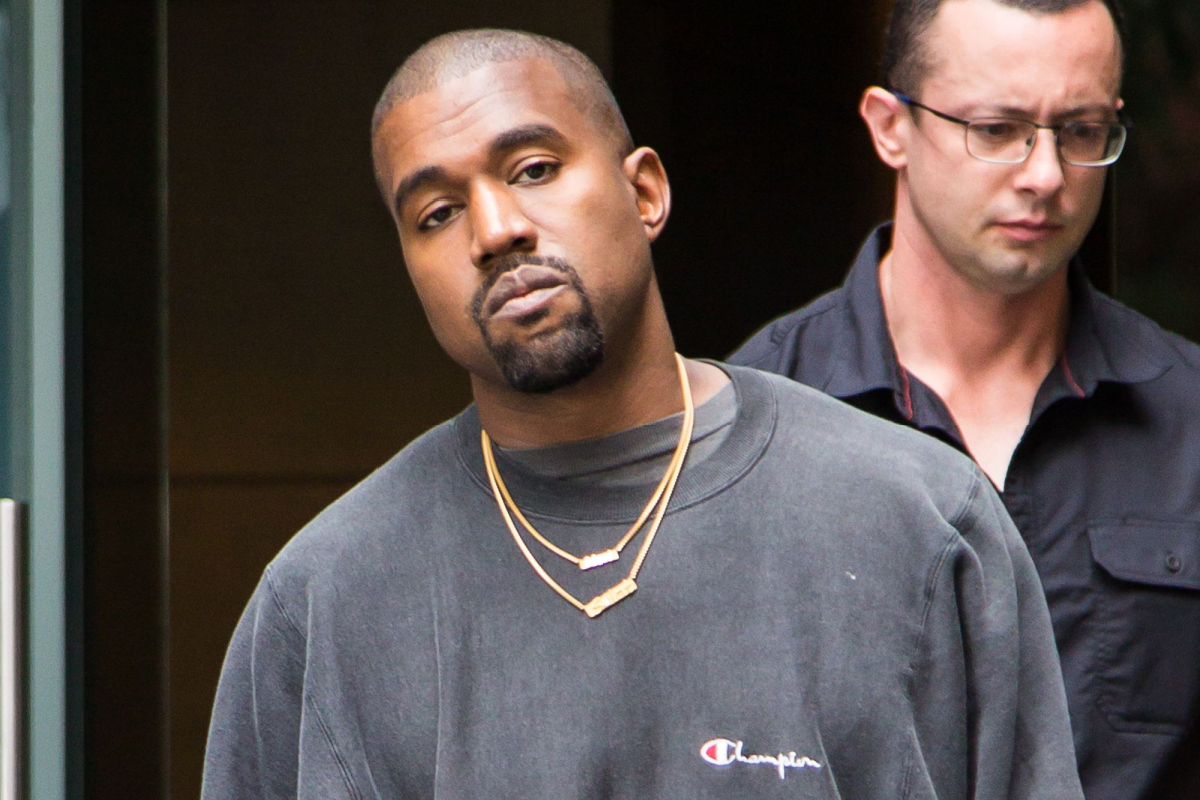
Organizers of the Wireless Festival say they consulted widely before confirming YE as a headliner and were not alerted to objections at the time. In a statement, representatives said that “multiple stakeholders were consulted in advance of booking YE and no concerns were highlighted.”
The festival acknowledged the gravity of the controversy surrounding the artist’s past remarks, adding that “antisemitism in all its forms is abhorrent.” Organizers also referenced YE’s recent comments indicating that he hopes to begin a dialogue with members of the Jewish community in the United Kingdom, while recognizing that “words alone are not enough.”
Political and public pressure intensifies
Debate over YE’s involvement began almost immediately after he was announced as a headliner. U.K. Prime Minister Keir Starmer publicly voiced disapproval within days of the announcement, intensifying scrutiny on festival organizers.
The controversy deepened following two sold-out performances in Los Angeles last week. Live Nation, which promotes both the Los Angeles concerts and the Wireless Festival, has also faced questions about its role in supporting the events. As criticism mounted, uncertainty grew around whether YE would be permitted to enter the United Kingdom to perform.
Past apologies and renewed outreach
In January, YE issued a public apology for earlier statements through a full-page advertisement in The Wall Street Journal. He did not make additional remarks until early Tuesday U.K. time, when he expressed interest in meeting with Jewish leaders in Britain.
Festival Republic managing director Melvin Benn addressed the backlash in comments to Variety, emphasizing his personal outlook shaped by experiences with individuals facing mental health challenges. “I have witnessed many episodes of despicable behaviour that I have had to forgive and move on from,” Benn said. “If I wasn’t before, I have become a person of forgiveness and hope in all aspects of my life, including work.”
Ongoing questions for organizers
The scale of the public reaction has raised questions about how stakeholder consultations were conducted and whether concerns were underestimated. Critics argue that given the widespread attention surrounding YE’s past statements, opposition was foreseeable.
With the festival approaching, attention remains focused on how organizers, promoters and public officials will navigate the competing pressures of artistic programming, public sentiment and broader social responsibility.
